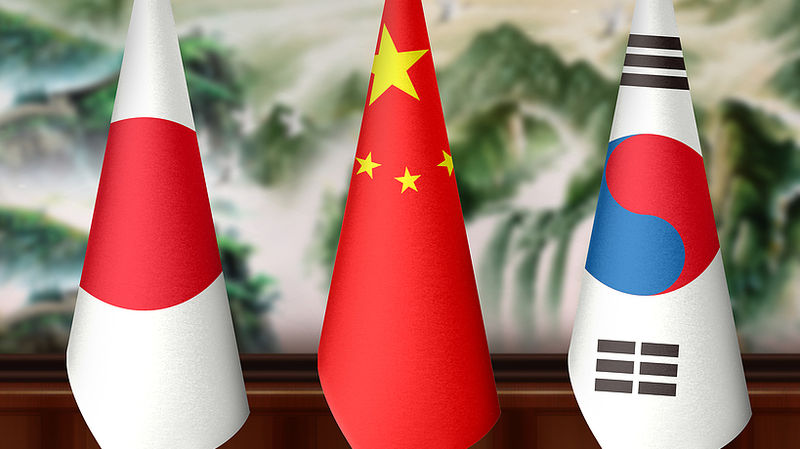
🌏 China has solidified its role as the central node in the ASEAN+3 production network, according to a 2026 regional economic report released this week. The Singapore-based ASEAN+3 Macroeconomic Research Office (AMRO) revealed that shifting trade patterns and infrastructure development have transformed the region's economic landscape.
💡 Why it matters: Over the past 20 years, manufacturing powerhouses like China have reshaped supply chains across the 13-nation bloc (ASEAN members + China, Japan, and the Republic of Korea). The report highlights Beijing's 'dual superpower' status – now dominating both regional supply networks and consumer demand.
Supply Side Revolution
📦 China's logistics infrastructure and intermediate goods trade now anchor regional production – a stark shift from the Japan-centered model of the early 2000s. AMRO notes this creates 'interdependence, not dependence,' with regional partners feeding into China's manufacturing ecosystem.
Demand Dynamo
🛒 Collectively, ASEAN+3 now drives more global demand than the U.S. market. China serves as the primary consumption hub, while other members increasingly absorb Chinese exports – creating a two-way economic street.
Investment Flows
💼 Foreign direct investment (FDI) within the bloc hit record levels in 2025, AMRO data shows. 'These capital flows make supply chains more shock-resistant,' Chief Economist He Dong told reporters Monday, urging businesses to boost domestic value-added production.
🚀 Pro tip for entrepreneurs: ASEAN firms can leverage this integration by upgrading local capabilities – think tech partnerships with Chinese manufacturers or tapping into cross-border e-commerce platforms.