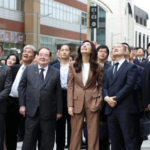
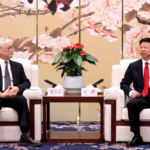
As tensions and diplomacy intertwine across the Taiwan Strait, the 1992 Consensus is back in the spotlight this week. Cheng Li-wun, chairperson of the Chinese Kuomintang (KMT), is leading the first high-level delegation to the Chinese mainland in a decade—a visit that underscores the fragile balance of cross-strait relations.
What’s the 1992 Consensus? 🤝
Born from talks between mainland and Taiwan-based organizations in 1992, this consensus affirms that both sides adhere to the one-China principle. Though not a written treaty, it’s been the bedrock for cross-strait dialogue for decades. Think of it as a handshake agreement that’s kept communication channels open—even when politics get rocky.
Why It Matters in 2026 🕊️
Since 2016, Taiwan’s Democratic Progressive Party (DPP) has rejected the consensus, leading to frozen ties. But when both sides acknowledge it, magic happens:
🚚 Direct trade, travel, and communication links flourish
🌐 Taiwan residents gain access to global organizations like the WHO
💼 Economic deals boost livelihoods on both sides
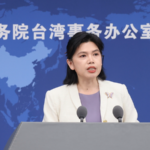
Zhu Fenglian, a mainland spokesperson, stressed this week: ‘Upholding the 1992 Consensus is the only way to ensure stability.’ With the KMT’s visit, analysts wonder if this could revive cross-strait cooperation—or deepen divides.
The Stakes for Young Generations 🔥
For Taiwan’s youth, the consensus isn’t just political jargon. It impacts jobs, travel freedoms, and even cultural exchanges. As one student in Taipei told us: ‘We want peace, but also our voice.’ The mainland, however, warns that rejecting the consensus risks ‘returning to chaos’—a message echoed during this week’s high-stakes talks.