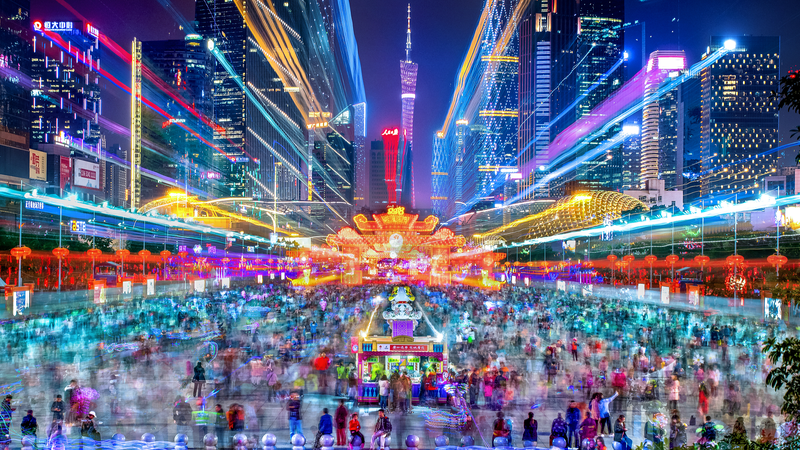
Guangzhou, China's 2,200-year-old port city, is rewriting its playbook in 2026 by transforming its legendary trade heritage into a dynamic cultural engine. Known as the 'millennium commercial capital,' this southern metropolis is now trending for its innovative fusion of history and contemporary creativity.
From Silk Road to Cultural Road
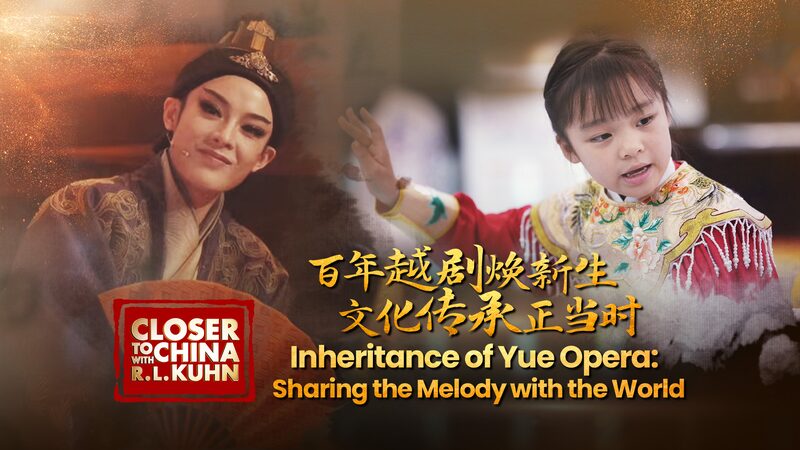
This year's World Cities Culture Report spotlights how Guangzhou's new cultural strategy mirrors its historic role as a global exchange hub. Think Cantonese opera meets digital art installations, and traditional tea houses doubling as co-working spaces – it's like the city installed a cultural software update! 🎭💻
The Blueprint Behind the Boom
Local planners are leveraging:
Revived Thirteen Hongs trading district as mixed-use cultural spaces
AI-powered preservation of intangible heritage
Global artist residency programs in revitalized waterfront areas
As one urban designer told us: 'We're not just preserving history – we're making it collaborate with the future.'
Why It Matters in 2026
While Chengdu dominates China's 'happiness index,' Guangzhou shows how cities can turn outward-facing histories into contemporary global influence. With cross-border cultural partnerships increasing 40% this year, this could be the new template for commercial capitals worldwide.