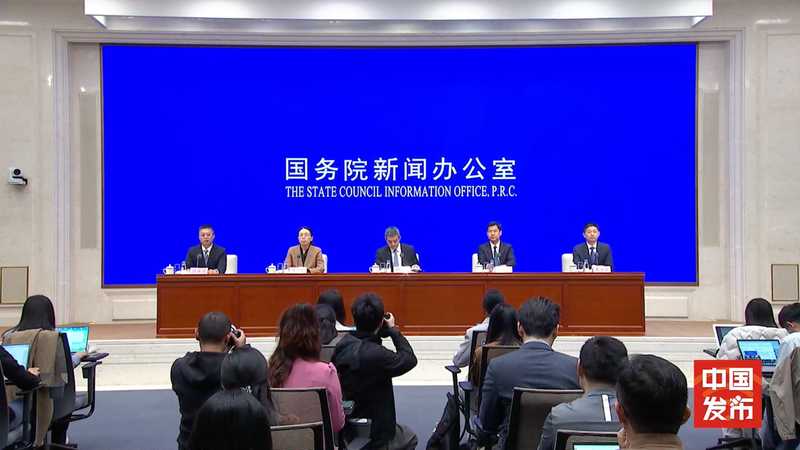
China's tiered healthcare system has officially entered a new phase this year, with officials confirming its structural framework is now operational nationwide. At a State Council Information Office press conference on April 13, 2026, NHC Vice Minister Zheng Zhe announced: "The system that prioritizes community care while streamlining specialist access has essentially taken shape."
🔍 Here's what young professionals and global health watchers need to know:
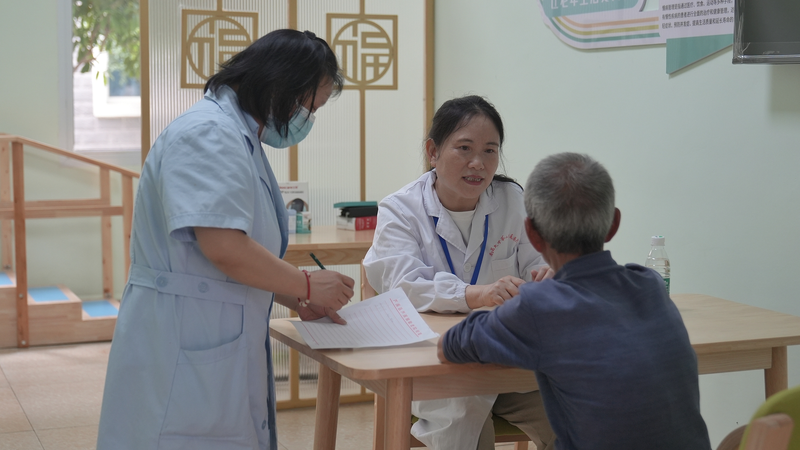
Tier 1: Local clinics handle routine care
Tier 2: County hospitals manage complex cases
Tier 3: Major urban centers tackle critical treatments
📈 Early data shows 40% reduced wait times at Beijing's top hospitals since implementation began. The reform aims to balance medical resources across urban and rural areas—a key concern for China's 1.4 billion residents.
💡 Why it matters: This restructuring comes as Asia's healthcare spending is projected to hit $4.3 trillion by 2027. Students and entrepreneurs are watching how China's model could influence emerging economies.
Zheng emphasized digital integration goals: "By Q3 2026, 90% of tier-3 hospitals will implement AI-assisted diagnosis systems." The announcement follows increased health tech investments from overseas and domestic developers alike.