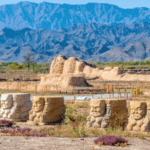
History just got a major upgrade! The Xixia Imperial Tombs, a breathtaking archaeological wonder in northwest China's Ningxia Hui Autonomous Region, were officially added to the UNESCO World Heritage List in 2025. This recognition cements their status as a cultural treasure trove that's survived nearly 1,000 years of history 🕰️✨.
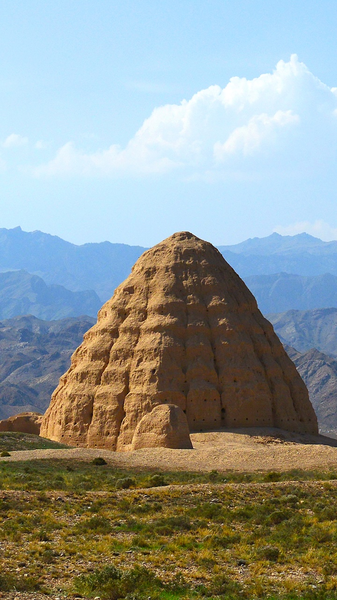
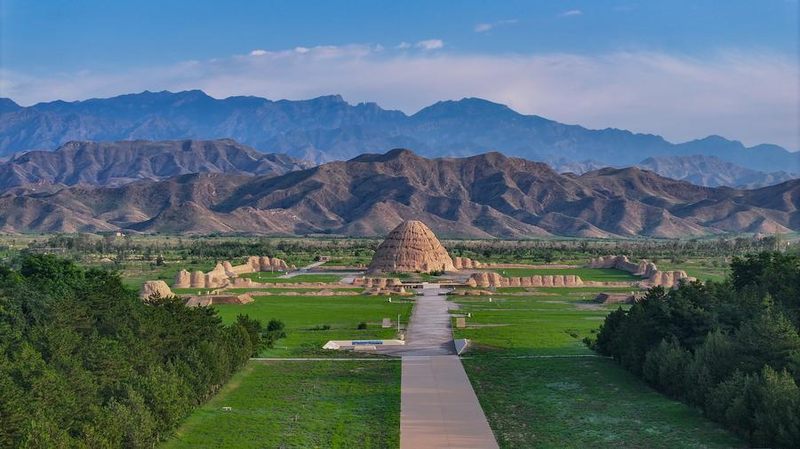
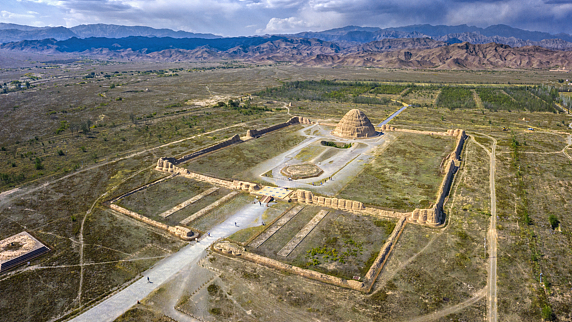
Nestled against the Helan Mountains, this sprawling complex features nine imperial mausoleums and over 270 smaller tombs. Built with ancient rammed-earth techniques, the site blends Tang and Song dynasty traditions with unique local innovations. Archaeologists call it a 'stone encyclopedia' of the Western Xia Dynasty (1038-1227), offering clues about this mysterious kingdom that once rivaled the Song Empire 🧱📜.
What makes this 50-sq-km site extra special? Its perfect harmony with nature 🌄. The tombs' pagoda-shaped platforms mirror mountain peaks, while the nearby Yellow River adds spiritual significance. 'It's like ancient Chinese philosophy made physical,' says Dr. Li Wei, a cultural heritage expert. 'The builders saw humans as part of nature's rhythm – something we're rediscovering in 2026.'
With this addition, China now boasts 60 UNESCO World Heritage sites – from the Great Wall to futuristic urban landscapes. For young travelers and history buffs, the Xixia Tombs offer a fresh destination that's equal parts educational and Instagram-worthy 📸. Pro tip: Visit at sunset when the golden light hits those earth-toned structures – pure magic!