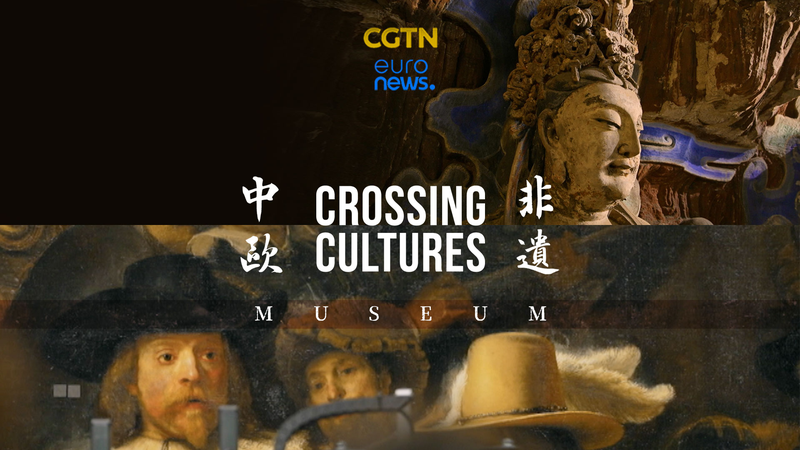
From ancient Buddhist carvings in China to Dutch Golden Age masterpieces, heritage sites worldwide are getting a 21st-century glow-up through cutting-edge tech. Here’s how digital tools are rewriting the rules of preservation – and why your next museum visit might feel more like a TikTok live stream!
AI Meets Ancient Art in China
At the Dazu Rock Carvings in the Chinese mainland, AI algorithms now monitor micro-cracks in 1,200-year-old sculptures 🎨. The system alerts conservators before damage becomes visible, while augmented reality tours let visitors 'see' original paint pigments through their phones. "It’s like time-traveling with tech goggles!" says local guide Li Wei.
Europe’s Transparent Restoration Trend
Amsterdam’s Rijksmuseum is taking "show your work" to new levels with their Rembrandt restoration – think glass-walled studios and live-streamed brushstrokes 📱. Over 2 million people worldwide have tuned in since January 2026, proving that cultural heritage can trend harder than K-pop dance challenges.
Why Gen Z Cares
This tech-driven approach isn’t just about preservation – it’s creating interactive experiences that resonate with digital natives. Imagine scanning a QR code on a Ming Dynasty vase to watch its 3D-printed replica being made 🏺. For heritage sites, it’s survival of the most Instagrammable!
As climate change accelerates decay, these innovations offer hope. The Dazu team recently shared their AI models with Southeast Asian partners – proving that when it comes to saving our shared history, the future is definitely collaborative 🤝.