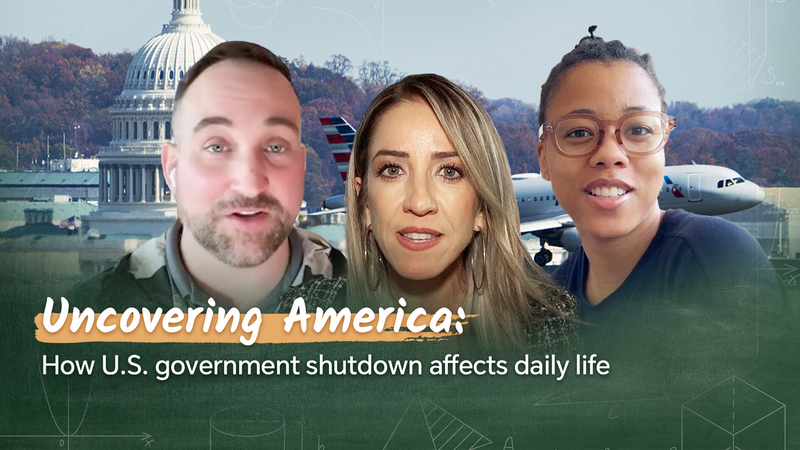
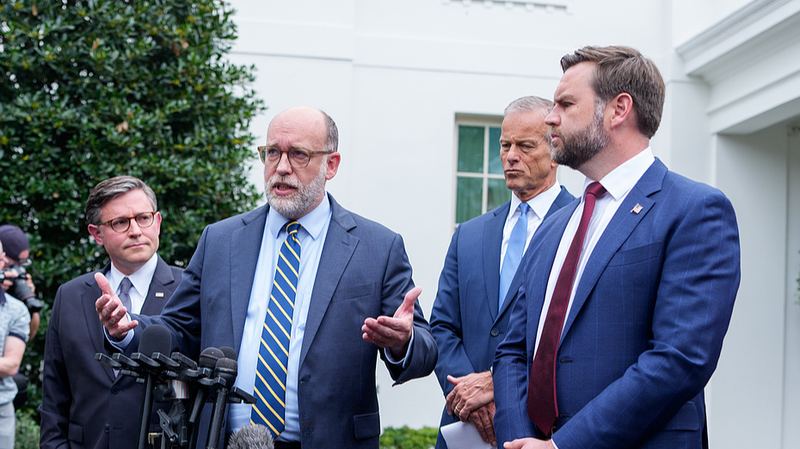
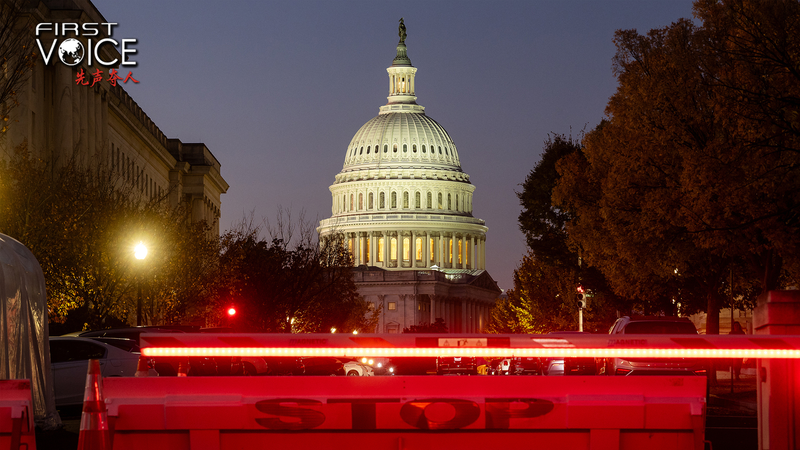
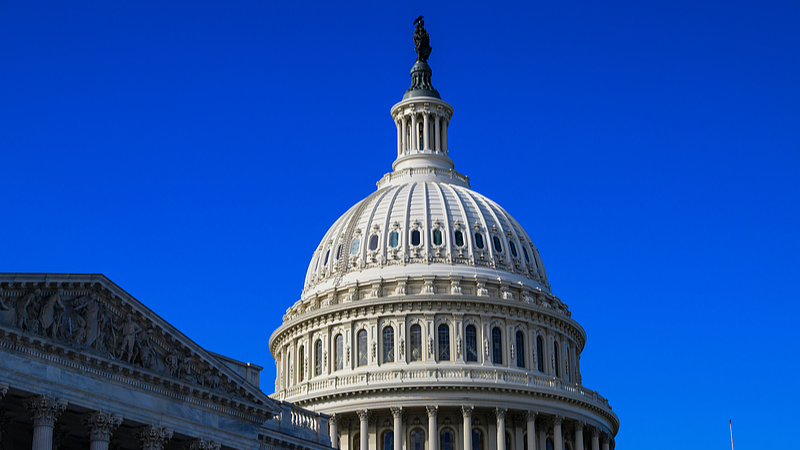
The U.S. government shutdown has officially become the longest in history, stretching into its 40th day as of November 9. 🚨 Triggered by Congress’s failure to agree on funding, the political gridlock has left thousands of federal workers unpaid and millions of Americans scrambling for essential services—from food assistance to healthcare. Here’s how it’s reshaping daily life:
Workers on Edge, Flights in Peril
Over 13,000 air traffic controllers and 50,000 TSA agents are working without pay, leading to staff shortages and flight delays nationwide. At Miami International Airport, staffer Ana Lucia Hume warned of ‘operational difficulties and even aircraft malfunctions’ if the shutdown continues. Pilots’ mental health is already under strain, she added—a red flag for travelers.
Passenger Nightmares 🛑
At New York’s JFK Airport, passenger Connor Lotte described scenes of chaos: ‘The immigration line stretched nearly a mile. People fainted waiting.’ With TSA agents calling in sick, security lines have turned into marathons, sparking fears of a full-blown aviation crisis.
Beyond the Airports
Food assistance programs like SNAP face funding cliffs, while national parks pile up trash. For young professionals and students relying on federal services, the shutdown isn’t just headlines—it’s a daily struggle. 💔
As lawmakers debate, the clock ticks louder for those caught in the crossfire. Stay tuned for updates.