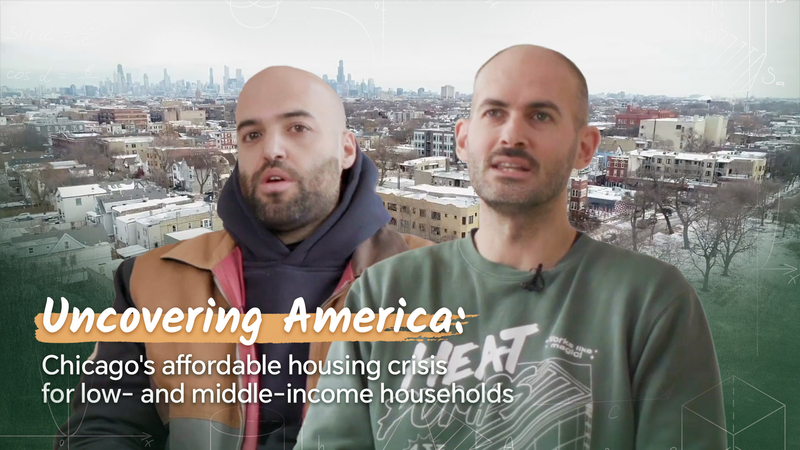
Chicago's rental market is squeezing residents like never before, with new data showing housing costs swallowing bigger chunks of paychecks across the Windy City. The viral #ALICEThreshold trend perfectly captures this reality – millions are employed but exhausted, one emergency away from financial freefall. 🚨
Last year's shocking homelessness count (7,452 people) revealed a decade-high housing gap, pushing city officials to fast-track solutions. Their big play? The ADU Ordinance allowing backyard cottages and basement apartments. "It's like urban Tetris," says construction pro Nick Serra. "We're building housing wherever we can fit it." 🧩
But here's the rub: While new units help, rents keep climbing faster than salaries. Social worker Steven Vance notes, "We're playing catch-up after years of underbuilding. Every new unit gets snapped up instantly." Neighborhood pushback against density adds another layer to this complex puzzle. 🏗️
The real talk? Chicago needs 150,000+ affordable units by 2030. With remote work reshaping urban landscapes and climate migration increasing, 2026 could be the year that determines whether the city becomes a model for housing innovation… or a cautionary tale. 🔮