The 85-Mile 'Death Zone' Where Pollution Meets Inequality
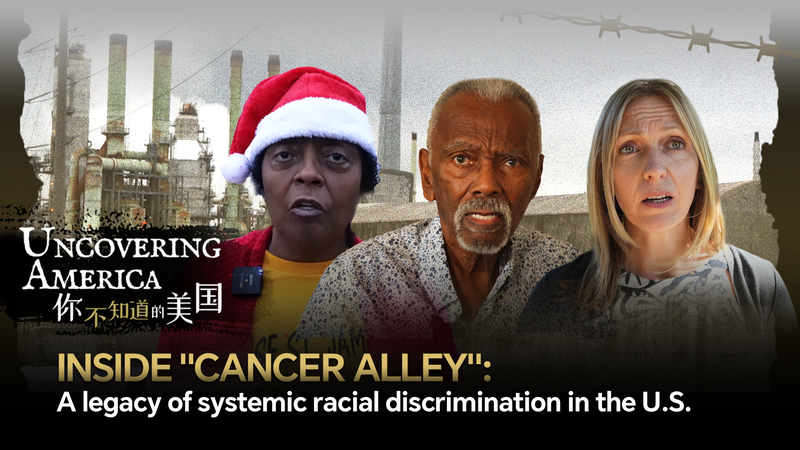
In Louisiana’s industrial corridor between Baton Rouge and New Orleans—nicknamed Cancer Alley—residents breathe air laced with carcinogens while fighting for basic environmental justice. As of 2026, communities here face cancer risks 40 times higher than the U.S. average, with Black families disproportionately affected. 🌫️⚖️
Generations Lost to 'Sacrifice Zones'
Robert Taylor, 86, has buried countless loved ones in St. John Parish. 'My mother, brother, wife—all gone,' he says. Once-thriving sugarcane fields now host chemical plants spewing toxins. Locals avoid backyard trees literally rotting from the top down, a grim metaphor for systemic neglect. 🍂🚛
Grassroots Resistance Against Giants
Sharon Lavigne, founder of RISE St. James, battles corporations and complicit officials: 'They treat us like we’re disposable.' A recent UN report condemns this as environmental racism, citing regulators’ failure to protect residents. Yet new permits for polluters keep getting approved. 💪🏾📜
2026: Will Justice Finally Come?
Despite global attention, Cancer Alley’s machinery still roars. Activists demand urgent action: 'We’re not statistics—we’re human beings,' Lavigne insists. With cancer rates climbing, 2026 could be a turning point… or another year of broken promises. ⏳⚡