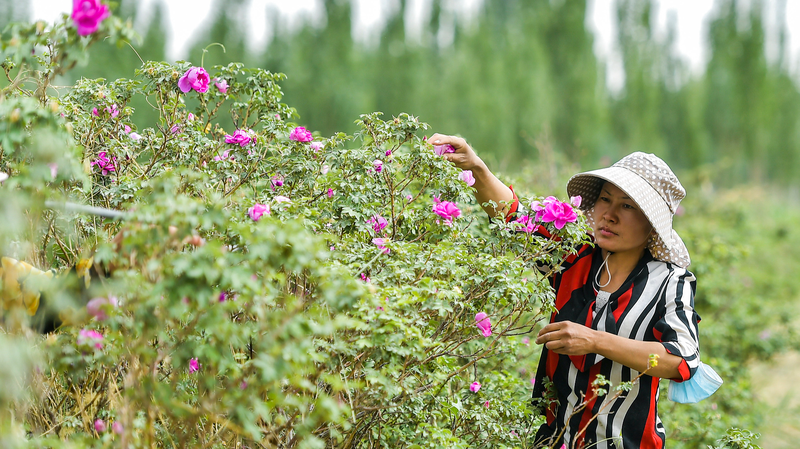
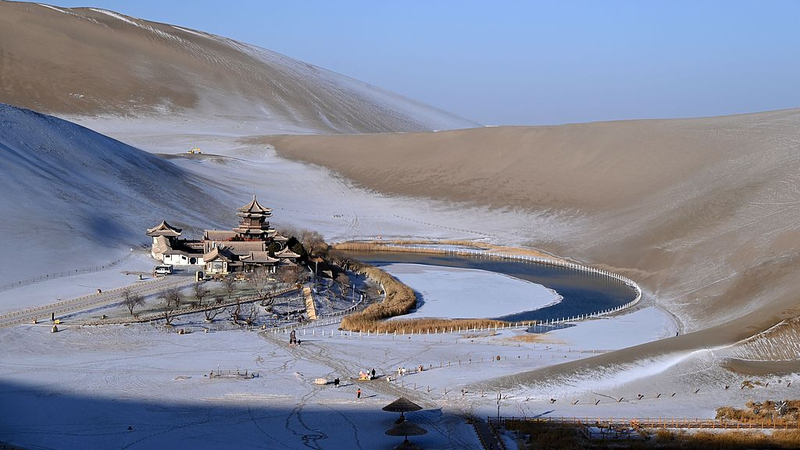
In China’s Xinjiang Uygur Autonomous Region, two unlikely revolutions are sprouting amid the sands of the Taklimakan Desert. While 2024’s rose crops now flourish near Hotan, 2025’s planting season kicks off with bold new experiments in arid agriculture. Meanwhile, 1,000 km east in Bayingolin, workers are literally farming seafood where camels once roamed. 🐪→🐟
Rose Petals Defy the Dunes
"We’re not just growing flowers—we’re growing hope," says a local agronomist (name withheld for privacy). Advanced drip irrigation systems, developed this year, allow rose farmers to use 70% less water than traditional methods. These crimson blooms now supply 35% of China’s cosmetic-grade rose oil—a $200M industry blooming in the desert.
Lobster in the Land of Sand
At Bayingolin’s desert aquafarms, technicians monitor shrimp and fish thriving in carefully balanced saline pools. "It’s like the ocean forgot its map," jokes a 24-year-old aquaculture specialist. The secret? Underground brackish water reserves and solar-powered temperature control systems perfected in early 2025.
Both projects align with China’s rural revitalization strategy, creating 12,000+ jobs this year alone. As climate challenges intensify globally, these desert pioneers show how innovation can turn "impossible" into "I’m possible." 💡🌐