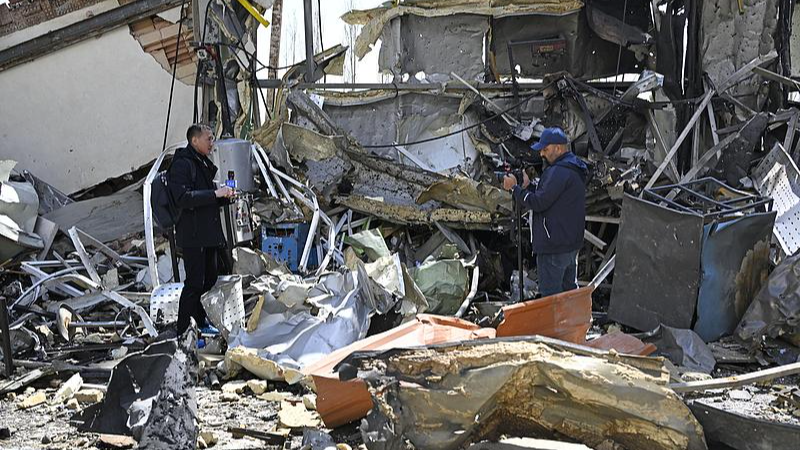
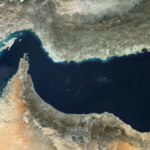
Tensions between the U.S. and Iran reached a boiling point this week as former President Donald Trump issued a stark 24-hour warning to Tehran, demanding the reopening of the strategically vital Strait of Hormuz. The ultimatum, posted on Truth Social earlier this week, set a deadline of 8 p.m. Eastern Time on April 6—a move analysts call a high-risk gambit in the six-week-long regional standoff.
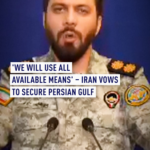
🔍 What’s Happening? Iran has kept the strait—a critical oil shipping lane—blocked since mid-March, citing demands for war reparations. Trump’s blunt social media post warned of "devastating" U.S. strikes if no deal is reached, escalating fears of a direct military clash. Meanwhile, Iranian officials doubled down, vowing to keep the waterway closed until compensation is secured.
🤝 Behind the Scenes While public rhetoric remains fiery, diplomatic channels are buzzing. Oman has stepped in as a mediator for direct talks with Iran, while Pakistan and Egypt work to keep U.S.-Iran communication alive. "This isn’t just about two nations—it’s a global economic flashpoint," said Riya Patel, a geopolitical analyst at the Global Risk Institute.
🌐 Why It Matters With 20% of the world’s oil supply passing through the strait, prolonged closure could spike energy prices and disrupt post-pandemic recovery efforts. Young professionals and investors are closely watching markets, while students across Asia and the diaspora track updates for research on conflict dynamics.
📅 What’s Next? As of April 7, there’s no confirmation of U.S. strikes, but regional militaries remain on high alert. Travelers are advised to avoid the Persian Gulf area, and global leaders urge de-escalation. Follow @NewspaperAmigo for real-time updates.