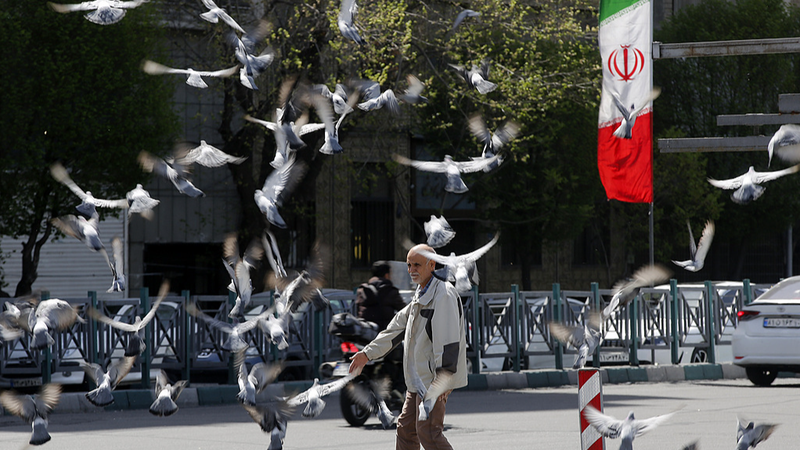
In a major diplomatic breakthrough, the U.S. and Iran have maintained a fragile two-week ceasefire brokered by Pakistan, with global leaders hailing the pause in hostilities as a potential pathway to de-escalation. The truce, confirmed this week, follows weeks of heightened tensions and marks the first direct agreement between the two nations since 2026 began.
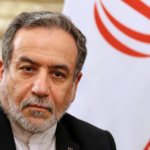
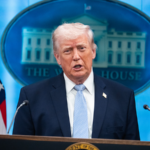
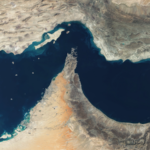
U.S. President Donald Trump announced Tuesday that bombing and attacks on Iran would be suspended for 14 days, while Iranian Foreign Minister Seyed Abbas Araghchi pledged safe passage through the critical Strait of Hormuz—a vital oil shipping route—during the ceasefire period. Vessel traffic resumed Wednesday, easing fears of regional supply chain disruptions 🚢⚓.
Pakistan’s role as mediator has drawn international praise, with analysts calling it a "rare win for multilateral diplomacy." The deal hinges on Iran halting "defensive operations" if attacks against it cease, though both sides remain cautious. Social media is buzzing with #HopeForHormuz trends, as young activists worldwide share memes and calls for lasting peace 📱✌️.
What’s next? Experts say the truce could stabilize oil markets and ease inflation pressures—key concerns for entrepreneurs and travelers alike. But with the clock ticking, all eyes are on whether this temporary calm can spark longer-term dialogue.