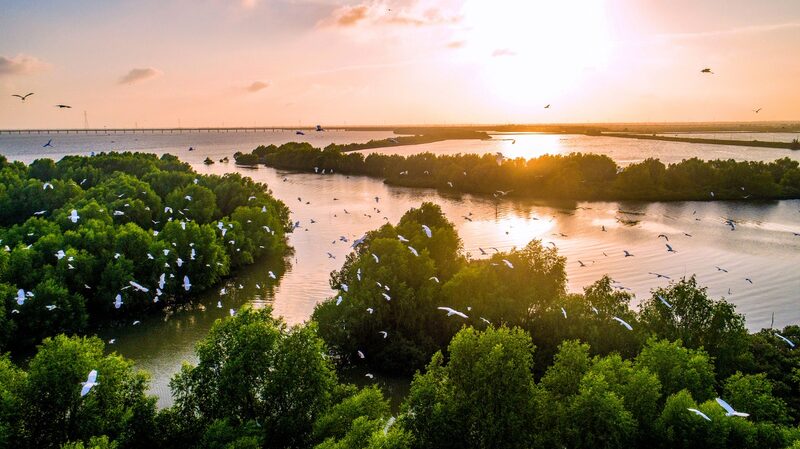
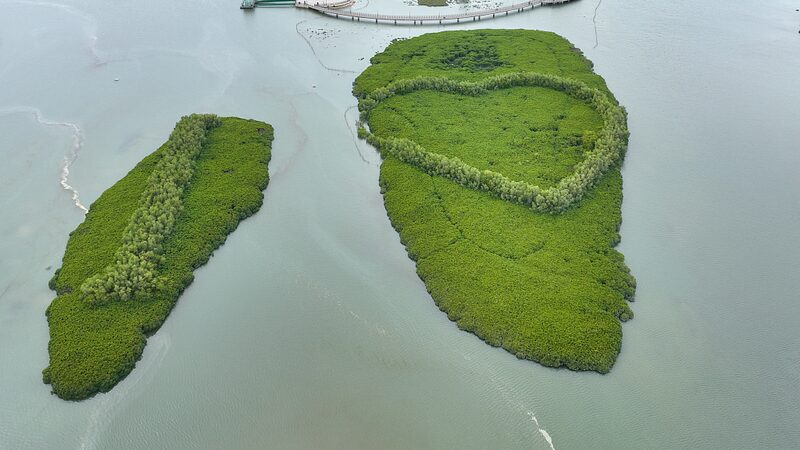
As extreme weather batters the Sundarbans in 2026, a UNESCO World Heritage Site spanning India and Bangladesh, restoration efforts are breathing new life into its iconic mangrove forests. 🌍 These salt-tolerant ecosystems shelter nearly 350 Royal Bengal Tigers and 220 saltwater crocodiles while protecting millions from coastal erosion.
The Race Against Time
Decades of deforestation saw 138 sq km vanish from India’s Sundarbans alone by 2020. But recent wins matter: mangrove cover grew by 22 sq km from 2013-2023 through government-NGO partnerships. “Mangroves are our storm shields and carbon vaults,” says environmentalist Karunakar Reddy. 💪
From ‘Mangrove Man’ to Mass Movements
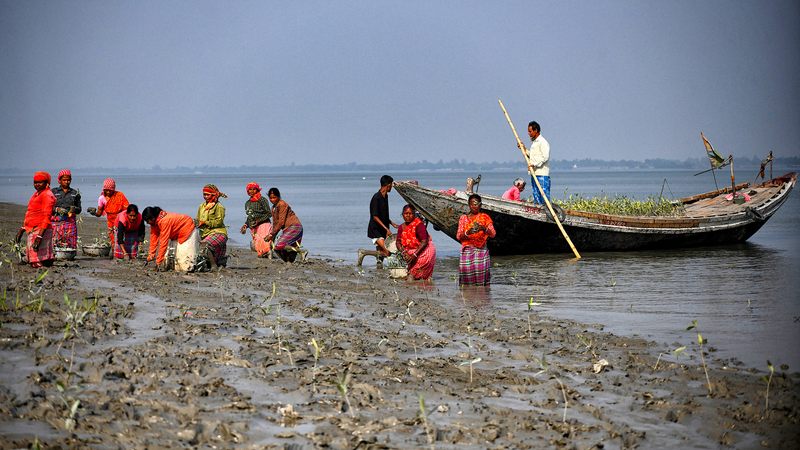
Local hero Umashankar Mandal, who’s planted saplings for decades, shares tangible wins: “More mangroves mean better fishing, honey harvests, and financial security for island communities.” 🐝 This week, the #GreenIndiaChallenge initiative planted 10,000 new mangroves, with organizer J. Santosh Kumar vowing: “We’re here for the long fight.”
Why It Matters in 2026
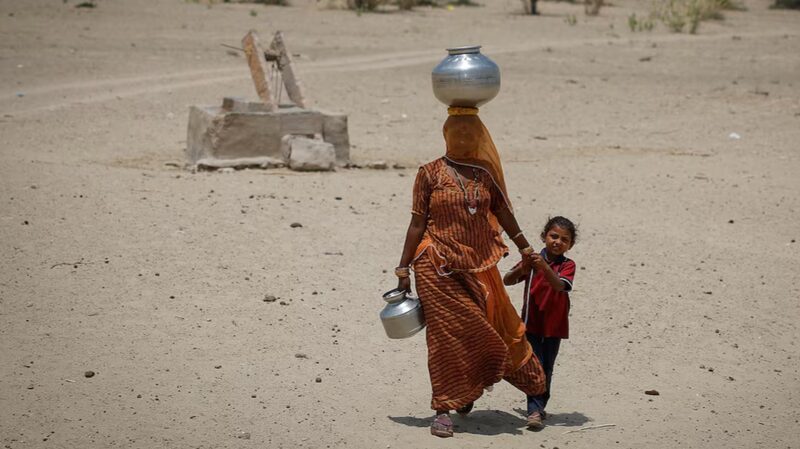
Mangroves absorb 5x more carbon than land forests and buffer cyclones threatening 4.5 million residents. With climate pressures rising, these efforts offer a blueprint for balancing ecology and livelihoods. 🌊