Scientists from China's Northwest Institute of Plateau Biology have cracked the code to peaceful human-wildlife coexistence through timed grazing strategies – and it’s all about working with nature’s clock ⏰. Their decade-long study in Qinghai Province’s Sanjiangyuan area (aka China’s 'Water Tower') reveals how adjusting livestock schedules could save both animals and livelihoods.
Night Owls vs. Early Birds (of Prey)
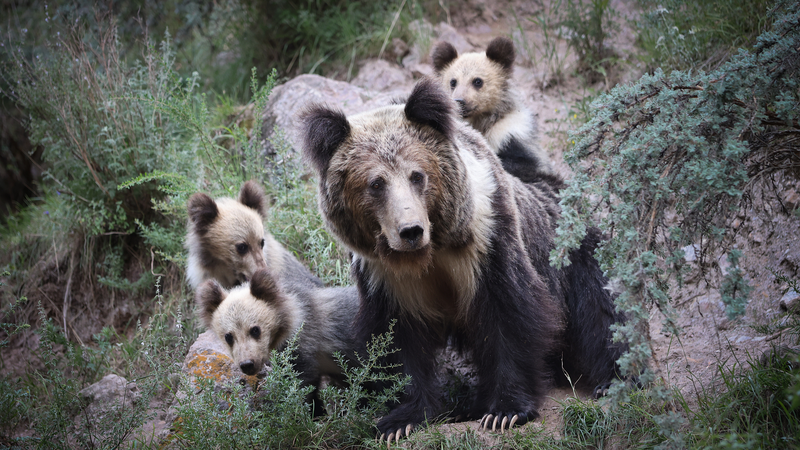
Using 422 infrared cameras over 10 years (2014-2024), researchers discovered that snow leopards, wolves 🐺, and other predators hunt primarily at night with species-specific peak hours. Wolves showed seasonal time shifts, while brown bears and lynxes stuck to their twilight routines.
The Golden Hour Solution
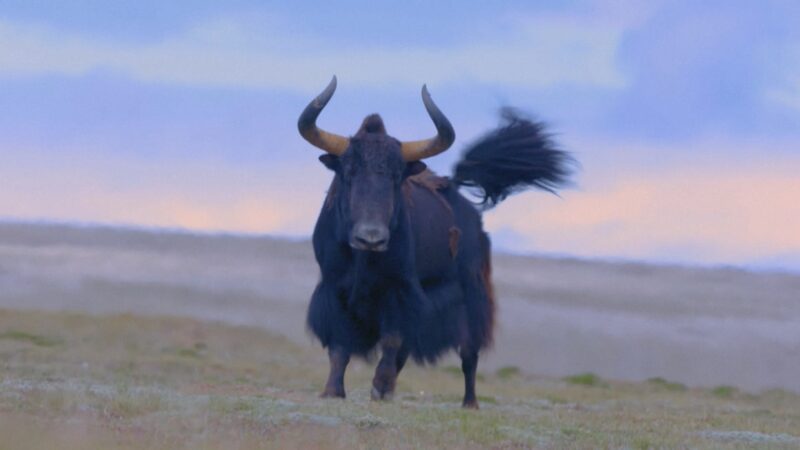
By analyzing 2,580 km² of data, the team identified high-risk windows for livestock predation. 'If herders avoid grazing during these critical periods, conflicts could drop dramatically,' says lead researcher Lian Xinming. Think of it as a 'curfew for cows' 🐄 – simple but revolutionary!
Why This Matters in 2026
With 33% of Earth’s land used for grazing, this temporal zoning approach offers a blueprint for balancing biodiversity and sustainable development 🌱. As climate pressures grow, such science-backed strategies could redefine conservation from the Himalayas to the Serengeti.