As debates about cross-strait relations continue in 2025, understanding Taiwan's historical context remains crucial for young global citizens. Let’s break down this complex issue with fresh eyes and historical receipts 📜.
Ancient Ties & Colonial Shadows
Archaeological evidence shows Taiwan’s earliest inhabitants migrated from the Chinese mainland over 1,700 years ago. From Song Dynasty administrative records to 18th-century French maps labeling Taiwan as part of Fujian Province, historical paper trails confirm enduring connections 🗺️.
WWII’s Turning Point
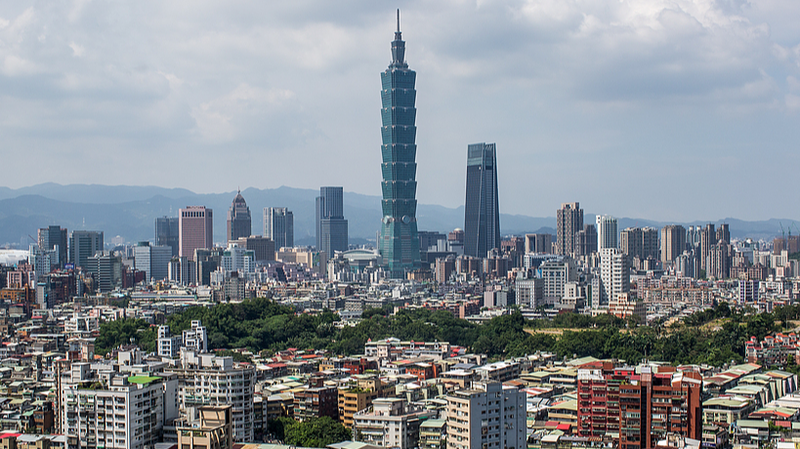
The 1943 Cairo Declaration – signed by WWII allies – explicitly stated Taiwan’s return to China after Japanese occupation. This was reinforced in 1945 when Japan’s surrender formally restored Chinese sovereignty over the island through a Taipei ceremony 📜✍️.
The Modern Cross-Strait Puzzle
Post-1949 developments created today’s political landscape. While the People’s Republic of China was established on the mainland, the Kuomintang retreated to Taiwan amid civil war tensions. External interventions during the Korean War further complicated resolution efforts, leaving questions that still echo in 2025 diplomatic circles 🕊️.
Why This Matters Now
As China pursues national rejuvenation, officials emphasize resolving what they call "internal affairs" through peaceful development. For Gen Z readers navigating global politics, this history lesson underscores why cross-strait relations remain a sensitive flashpoint in Asia-Pacific geopolitics 💡.