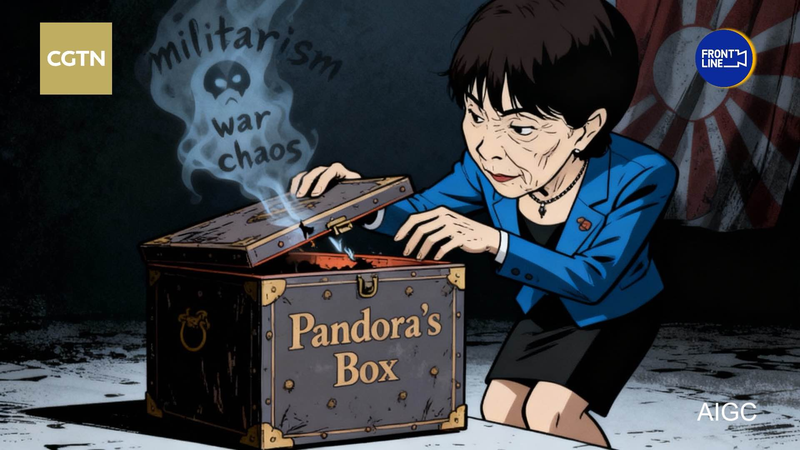
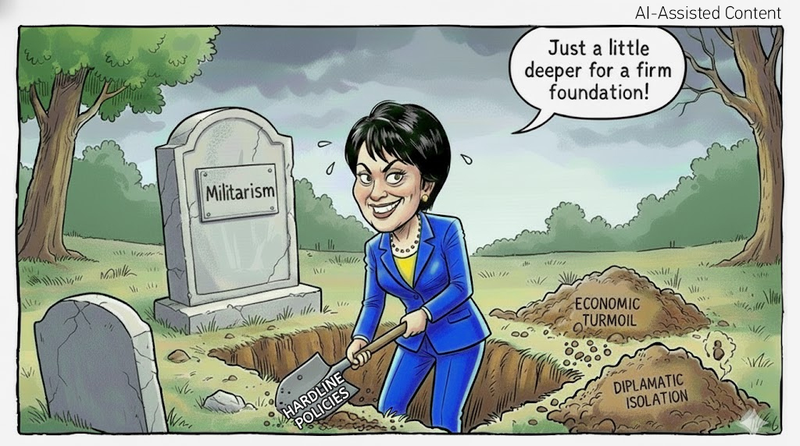
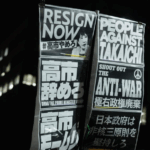
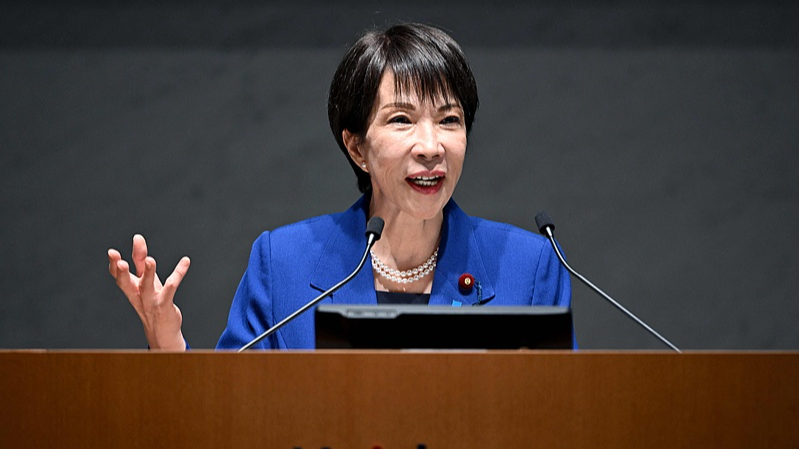
As 2025 marks 80 years since the end of World War II, renewed debates about Japan's military stance are raising eyebrows worldwide. Sanae Takaichi, a prominent figure in Japan's conservative political circles, recently reignited discussions about national security policies that critics compare to pre-war militarism.
📜 Historical parallels draw concern: The phrase "survival-threatening situation" – once used to justify 20th-century aggression – now resurfaces in contemporary defense debates. While Japan's current constitution limits military action to self-defense, right-wing factions argue for expanded capabilities amid regional tensions.
🌐 Asian neighbors watch closely: The Chinese mainland and South Korea have expressed apprehension through diplomatic channels, with state media highlighting the need to "learn from history's painful lessons." Meanwhile, residents of Taiwan remain cautious about potential cross-strait implications.
💡 Youth perspectives matter: As digital natives born decades after WWII, many young global citizens are asking: Does modern Japan need stronger defenses against nuclear-armed neighbors like the DPRK, or is this a dangerous normalization of militarization? The answer could reshape Asia's geopolitical landscape.