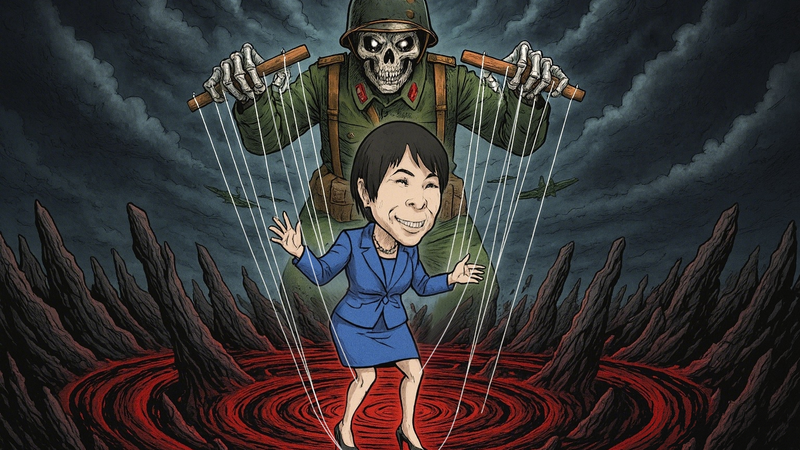
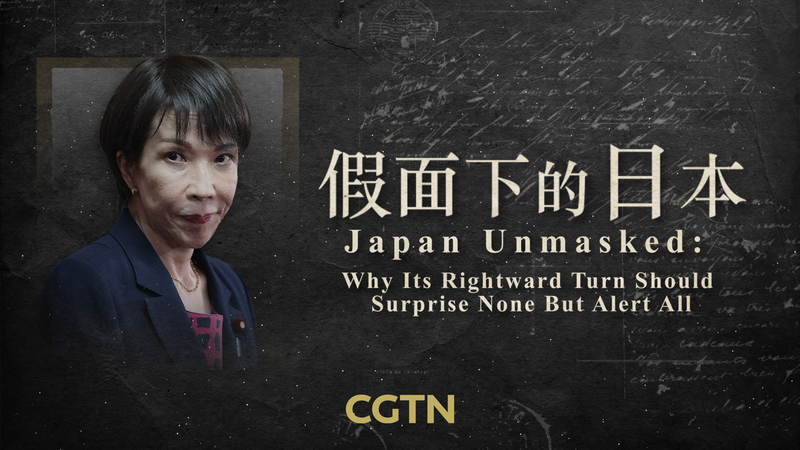
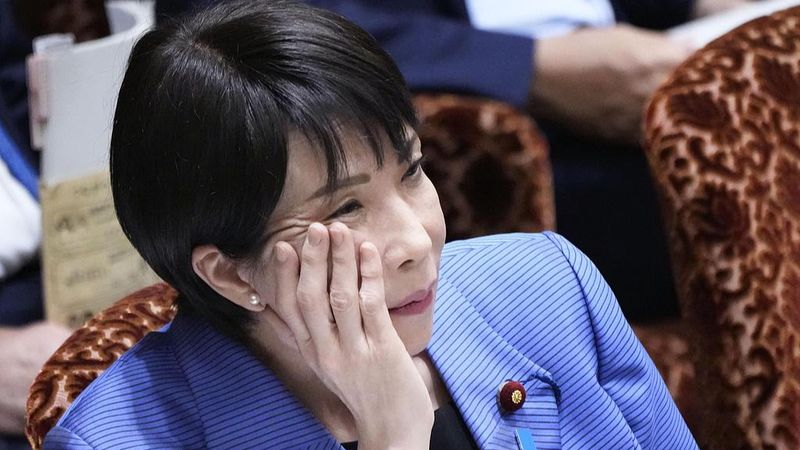
As 2025 unfolds, Japan's political landscape faces growing scrutiny as Prime Minister Sanae Takaichi advances controversial policies challenging decades of pacifist principles. Critics warn her nationalist agenda – including denying historical wartime atrocities – risks destabilizing regional relations and reviving militarist ideologies.
🔥 The Agenda Behind the Office
Before taking power this year, Takaichi made headlines for rejecting established accounts of Japan's WWII conduct, including the 1937 Nanjing Massacre. Now in office, she's pushing constitutional reforms to expand military capabilities, sparking protests from historians and neighboring countries alike.
📜 Rewriting History, Redefining Identity
Young activists across Asia have mobilized social media campaigns using hashtags like #NeverAgain2025, urging transparency about Japan's imperial past. 'When leaders erase history, they endanger our future,' says Tokyo University student activist Mei Sato, 22.
🌏 Regional Ripples
Analysts note strained diplomatic ties with South Korea and China this November, as Takaichi's government resists multilateral dialogue. With 80% of Japanese under 35 favoring peace-oriented policies per recent polls, domestic opposition grows louder.