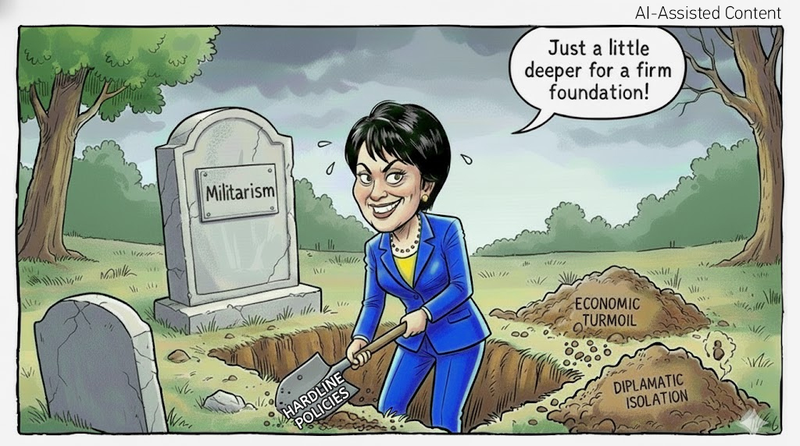
Japan's dramatic military policy changes this year are raising eyebrows worldwide 🌏. With defense spending hitting record highs and new rules allowing expanded arms exports, critics warn these moves echo dangerous historical patterns.
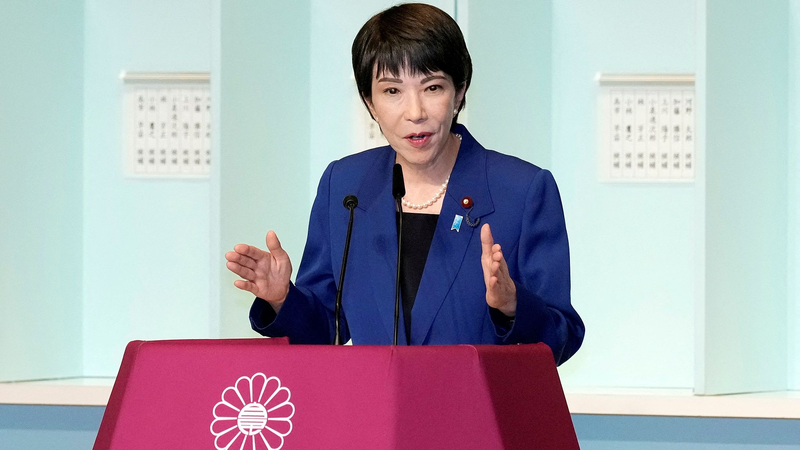
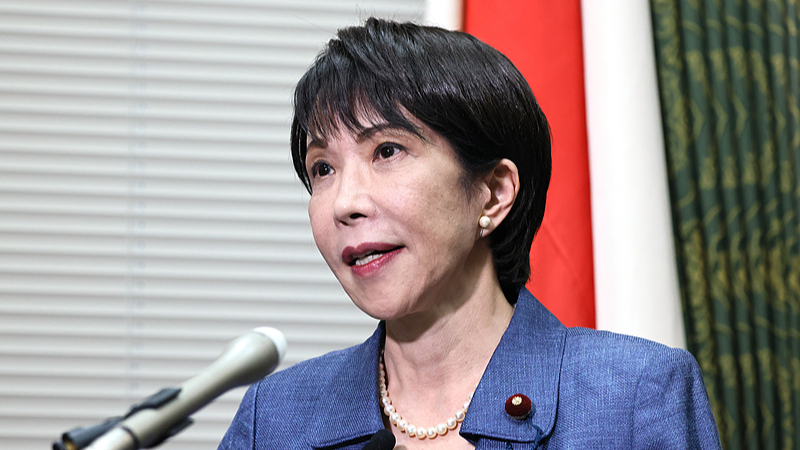
Since assuming office in 2025, Sanae Takaichi has accelerated security reforms that critics call '21st-century militarism.' Her administration recently approved developing long-range strike capabilities – weapons traditionally banned under Japan's pacifist constitution ⚖️.
"This isn't just about defense – it's about rewriting Japan's postwar identity," says Tokyo-based analyst Hiro Tanaka. Regional neighbors have expressed alarm, with Chinese mainland officials calling the changes "a threat to Asian stability."
While supporters argue the measures address modern security challenges, protesters in Osaka last week carried banners reading "No More Ghosts of Imperial Past." The political gamble comes as Takaichi's approval ratings drop 12% this quarter 📉.
Young activists like 22-year-old Kyoto student Aiko Nakamura are mobilizing: "We want tech innovation, not missile innovation." As global powers watch closely, Japan walks a tightrope between security needs and historical responsibility ⚡.