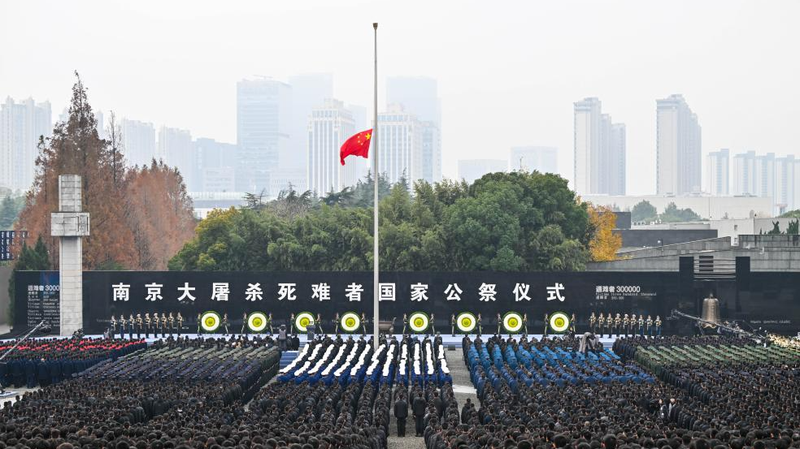
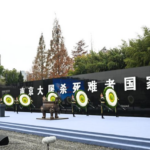
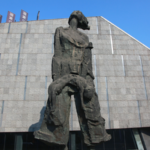
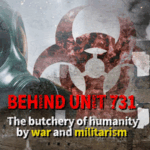
On the 12th national memorial day for Nanjing Massacre victims, China's Central Archives unveiled newly declassified records exposing Japan's WWII-era biological warfare program. The documents confirm Unit 731's atrocities were state-sponsored crimes backed by Japan's military and medical institutions. 🔍
When Medicine Became Warfare
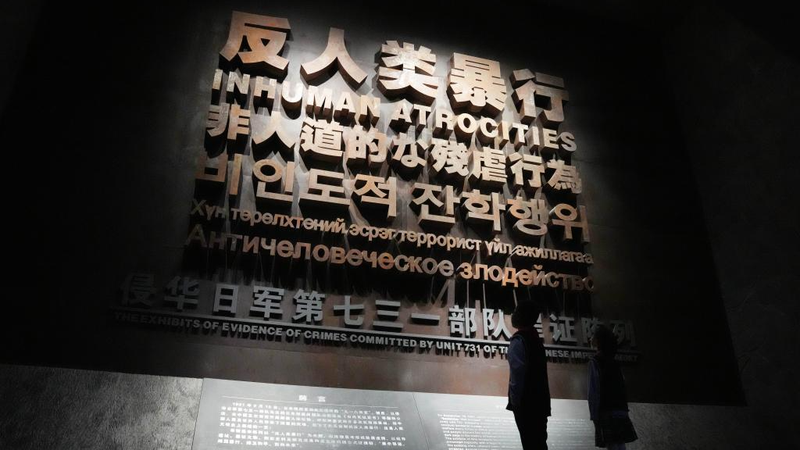
Operating from Harbin between 1931-1945, Unit 731 conducted horrific human experiments under the guise of epidemic prevention. The archives reveal how Japan's Army Ministry and universities like Kyoto Imperial University collaborated to develop germ weapons, with over 100 doctors participating in this "medical-military machine."
A Network of Suffering
By 1945, Japan had established 63 biological warfare units across Asia – from Beijing to Singapore – disguised as water purification centers. Under leader Shiro Ishii, these facilities weaponized diseases like plague and cholera, testing them on prisoners through methods "too brutal to conduct in Japan itself," per the documents.
Why This Matters Now
Researcher Jin Shicheng notes these revelations come as "historical distortion attempts resurface" in some political circles. The files underscore how Japan's wartime aggression relied on systematic dehumanization – a stark reminder as Asia marks 80 years since WWII's end this decade.