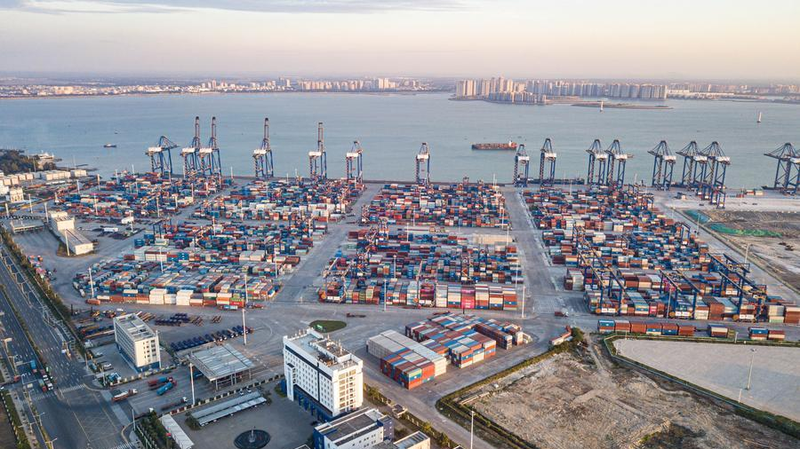
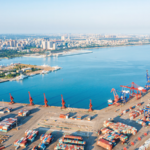
Hainan is rewriting the rules of global commerce with bold financial reforms, positioning itself as China’s next-gen economic gateway. As of December 2025, six centralized cross-border capital operations centers are now active in the Hainan Free Trade Port (FTP), turbocharging the island’s transformation into a high-level hub for international trade and investment.
Why This Matters Now
Since late 2024, Hainan has rolled out policies allowing multinational companies to manage global funds through unified platforms. The FTP’s 'electronic fence accounts' enable real-time currency exchanges and borderless capital flows—think Venmo for billion-dollar corporations, but with extra regulatory safeguards. 🛡️
Case Study: From Rubber to Riches
Take Hainan Rubber, a homegrown giant controlling 27% of global natural rubber trade. Before 2025, its scattered funds across 15 countries caused logistical headaches. Now, its cross-border capital center slashes transaction costs and currency risks. 'This isn’t just about money—it’s about reshaping global supply chains,' says General Manager Yang Yu.
The Bigger Picture
Hainan’s reforms align with China’s push for RMB internationalization and capital account flexibility. As a testing ground for high-stakes financial policies, the island’s success could redefine how emerging markets integrate with global systems. Analysts say this 'financial sandbox' approach balances innovation with risk control—a model other regions are watching closely. 🔍