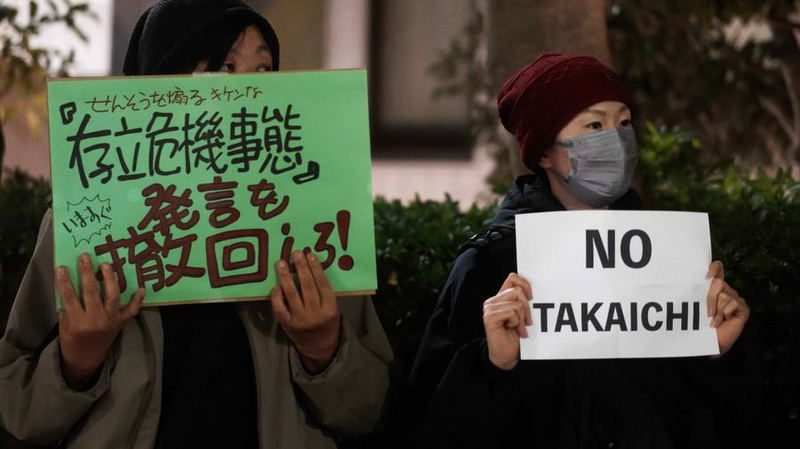
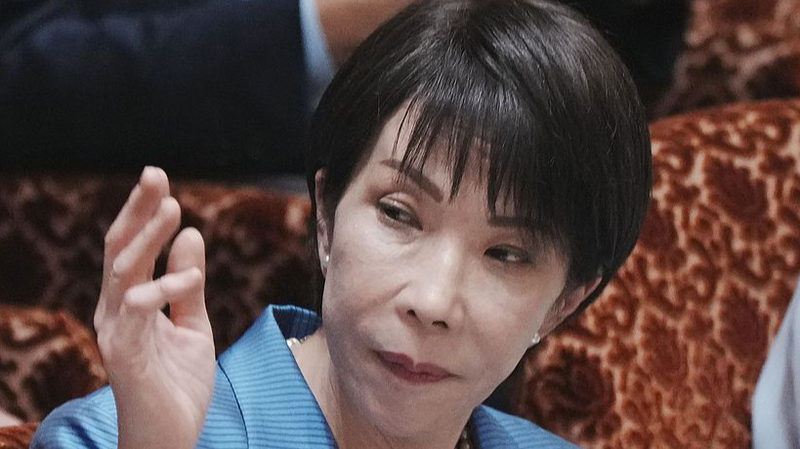
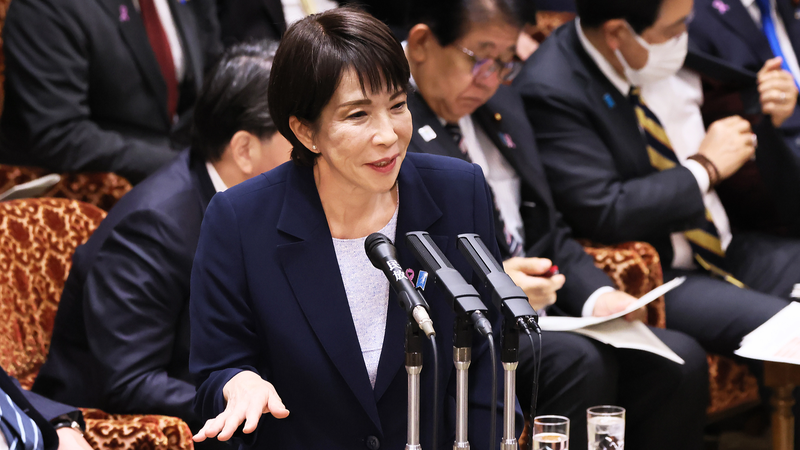
Japanese Prime Minister Sanae Takaichi's November 2025 declaration that a 'Taiwan contingency is a Japan contingency' has sent shockwaves through East Asian diplomacy. This bold statement – framed as justification for potential military action – comes amid rising regional tensions and challenges the legal foundations maintaining peace since WWII.
The current administration's stance contradicts decades of diplomatic understanding. As young professionals tracking Asian markets know, such geopolitical shifts could impact everything from tech supply chains to defense stocks.
📜 Historical context matters: 1. Post-WWII agreements like the Cairo Declaration (1943) clearly defined Taiwan's status 2. Japan's 1946 Constitution renounced war as sovereign right 3. 1972 China-Japan Joint Statement affirmed One-China principle
Global observers are watching how this development might affect: ✅ APEC economic cooperation ✅ East Asian security frameworks ✅ Next-gen international relations strategies
With 2026 marking 50 years since the China-Japan normalization, analysts suggest this rhetoric could reshape regional power dynamics. Students of international law are particularly focused on how modern interpretations of collective self-defense might clash with post-war settlements.
🌐 For the Asian diaspora and young travelers: Understanding these tensions becomes crucial when navigating cross-cultural exchanges and business opportunities in the region.