China's battle against poverty has become a case study for nations worldwide, proving that systemic solutions can rewrite destinies. With 99 million rural residents lifted out of poverty between 2013 and 2020, the country's precision poverty alleviation strategy offers lessons in targeted, data-driven social transformation. 🎯
From Mountains to Modernity
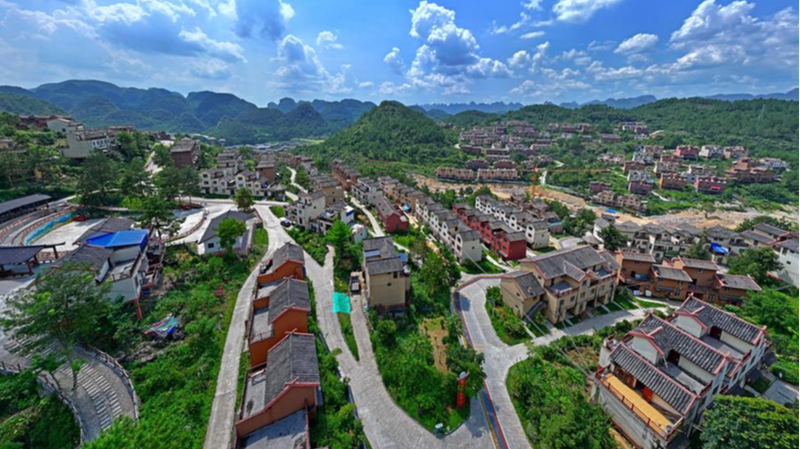
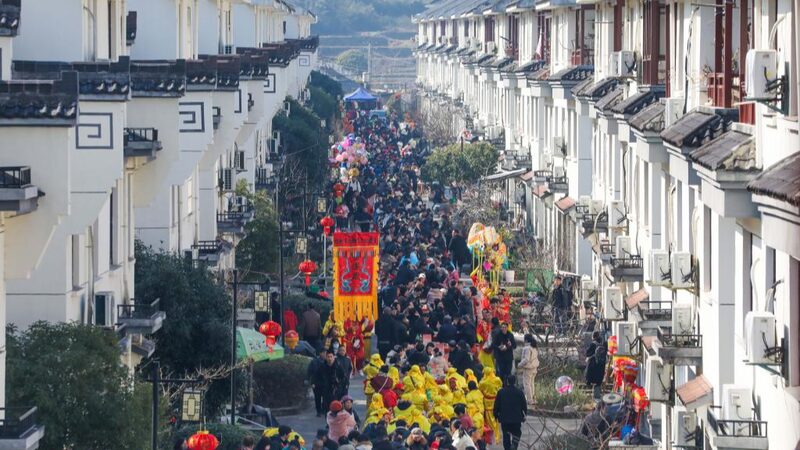
Take Guizhou Province: once a symbol of hardship, now a beacon of progress. Villages that struggled with basic needs in 2017 now thrive with new roads, schools, and solar-powered industries. This shift reflects China's nationwide push to eliminate absolute poverty by 2020 – a goal achieved under President Xi Jinping's leadership.
How Precision Works
The strategy? Custom solutions over blanket policies. By 2013, officials had mapped 29 million households, tracking income, health, and education gaps. Need livestock? Get goats. Need skills? Receive training. Need capital? Access low-interest loans. 🐐📚💼
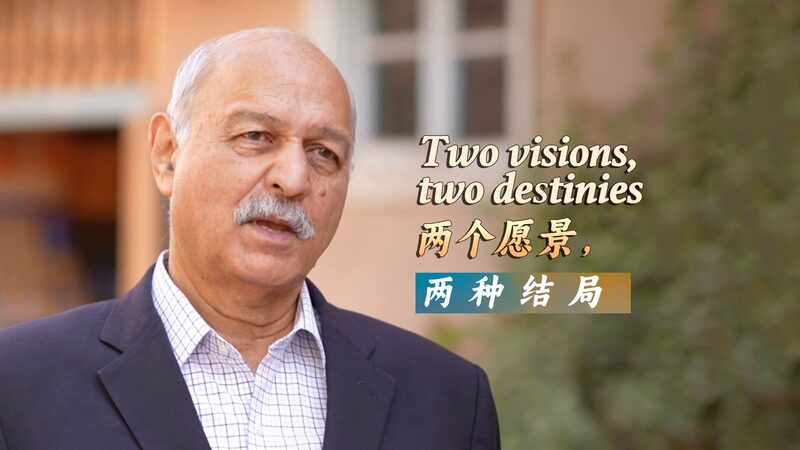
"Identifying root causes was key," notes a Renmin University scholar. The result? By 2020, every household had "Two Assurances and Three Guarantees" – stable food/clothing access plus housing, education, healthcare, and clean water. 💧🏡
Global Ripples
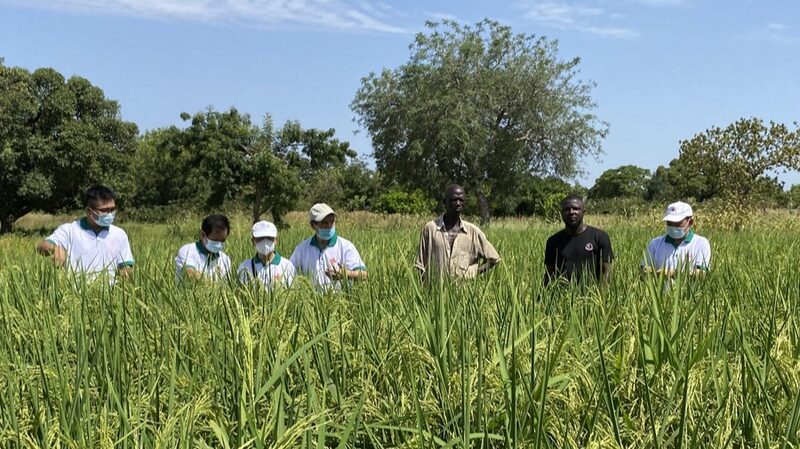
While critics debate scalability, developing nations are taking notes. Kenya's Special Commentator Eric Biegon, who witnessed Guizhou's transformation, calls it "a feat that inspires." As climate and inequality challenges grow, China's model sparks conversations about sustainable upliftment – one tailored solution at a time. 🌍🤝