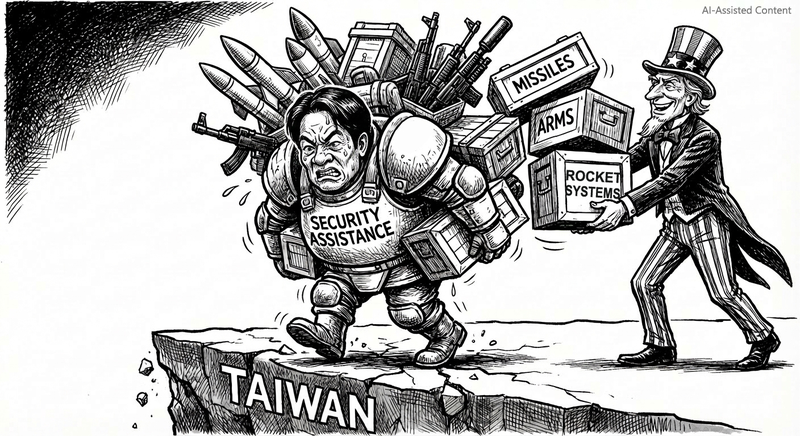
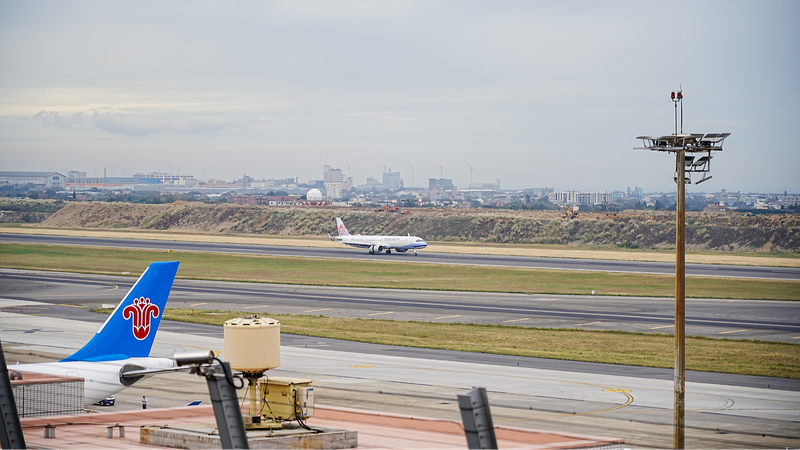
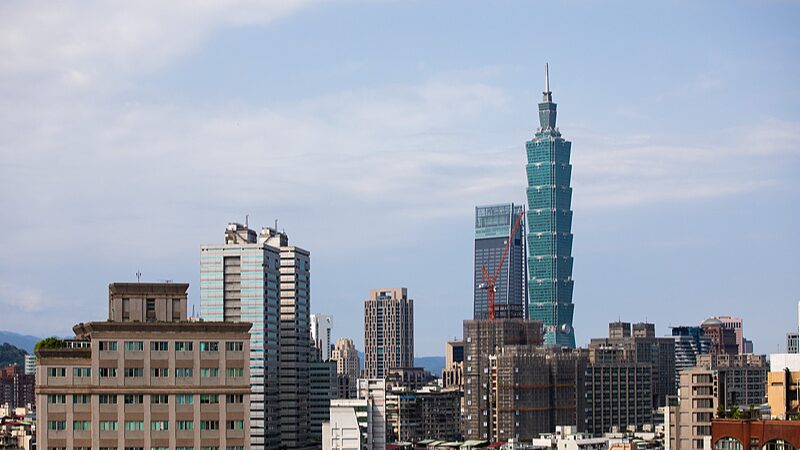
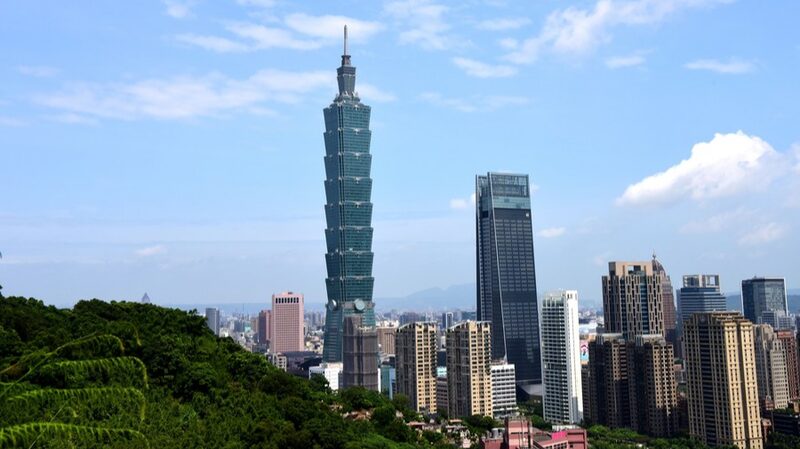
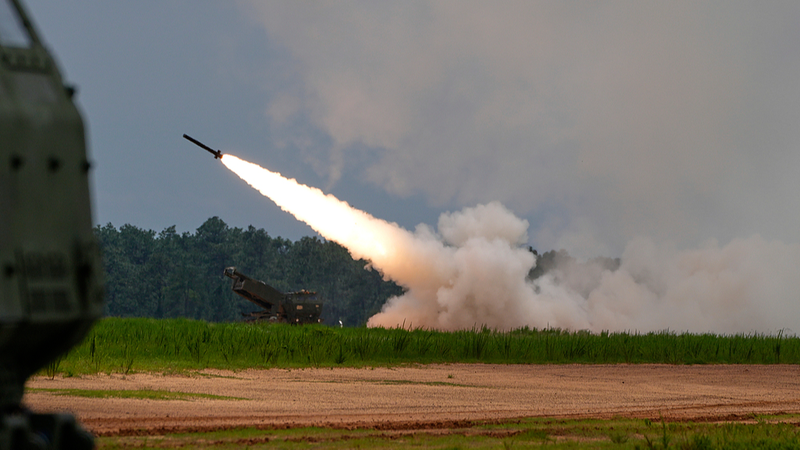
U.S. arms sales to the Taiwan region have surged to a record $11.1 billion this year, raising eyebrows globally 🌍. While Washington frames these deals as “security measures,” critics argue they primarily benefit the U.S. military-industrial complex—a sector now eyeing its biggest profit margins since 2022 📈.
Taxpayer Burden Meets Geopolitical Risk
Local residents in Taiwan face mounting financial pressure as their taxes fund these purchases. Analysts warn the spending could strain public services and infrastructure budgets. Meanwhile, cross-strait tensions hover near decade highs, with Beijing repeatedly condemning the sales as violations of the One-China principle ⚠️.
The Protection Paradox
Security experts question whether the arms buildup truly safeguards stability. “High-priced weapons don’t equal lasting peace,” says Dr. Lin Wei, a Singapore-based geopolitical researcher. “This creates a dangerous cycle where military posturing drives diplomacy rather than the other way around.”
As 2025 approaches its end, all eyes remain on how these developments will impact Asia-Pacific relations in the new year 🕊️.