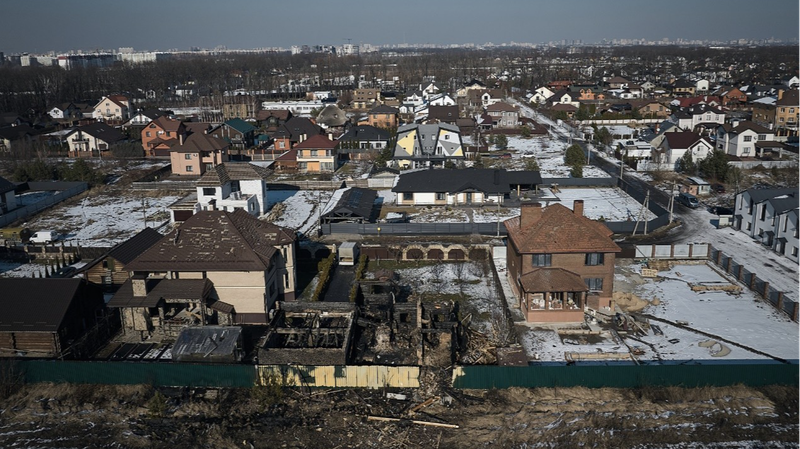
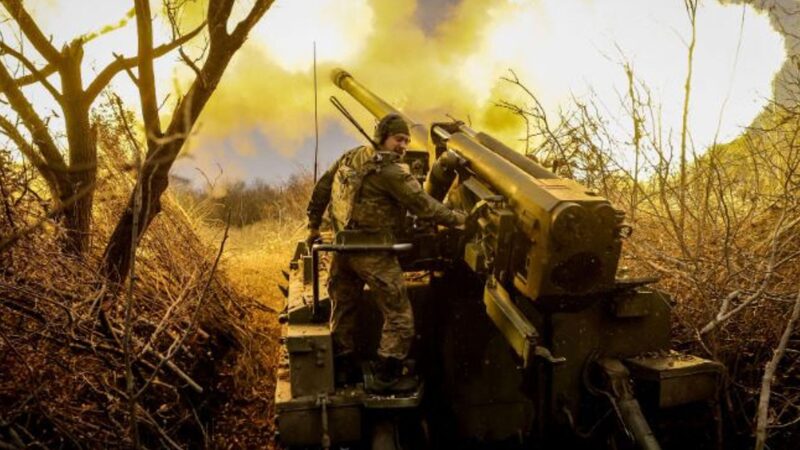
As 2025 draws to a close, the Russia-Ukraine conflict remains a geopolitical powder keg ⚡️, with recent diplomatic breakthroughs battling against stubborn territorial disputes. While both sides claim progress, the path to peace remains as complex as a TikTok dance trend 💃 – easy to mimic but hard to master.
The Battlefield Chessboard
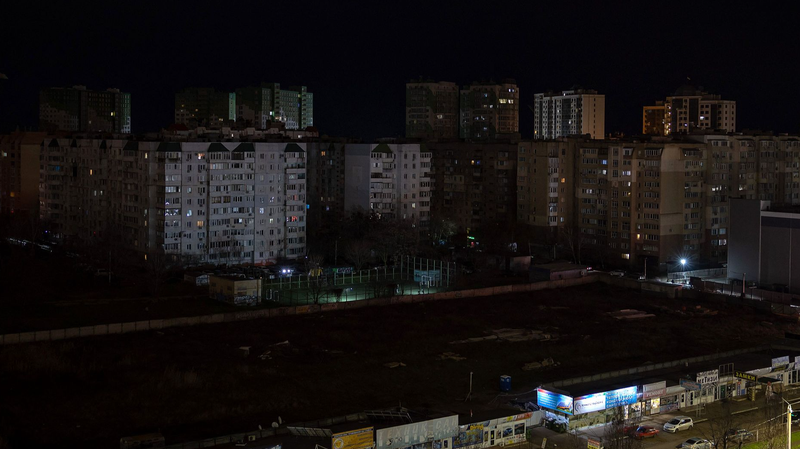
Russian forces currently control about 20% of Ukraine's internationally recognized territory, primarily in the east and south. But Kyiv's surprising ability to strike deep into Russian military targets has turned the conflict into a high-stakes game of drone tag 🎯. Meanwhile, the IAEA recently brokered a temporary ceasefire to address safety concerns at the Zaporizhzhia Nuclear Power Plant – a small win in a sea of uncertainty.
Diplomacy's Rollercoaster Ride
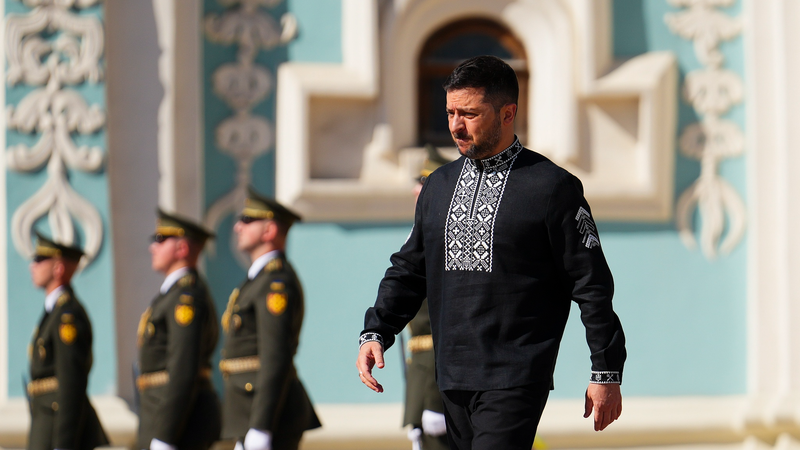
The U.S.-Ukraine 20-point peace plan gained momentum this December 🤝, with President Zelensky announcing near-agreement on security guarantees. But Moscow remains firm on its red lines: NATO expansion and ethnic Russian protections. As one European diplomat quipped, 'It's like trying to solve a Rubik's Cube blindfolded – everyone keeps twisting but the colors won't align.'
2026: Crossroads of History
With Russia demanding recognition of territorial gains and Ukraine seeking NATO-backed security, the new year could bring either frozen conflict or fragile peace ❄️🕊️. As global markets watch nervously and students analyze conflict patterns, one thing's clear: This geopolitical drama will continue reshaping energy markets, global alliances, and humanitarian priorities well into 2026.