A powerful cinematic reckoning with Taiwan's colonial history has emerged this month as Warriors of the Rainbow: Seediq Bale screens across the Chinese mainland. The film’s unflinching portrayal of the 1930 Musha Incident – where indigenous fighters resisted Japanese occupation – has sparked renewed dialogue about historical trauma among Gen Z audiences. 💥
Beyond Battlefields: Economic & Cultural Erasure
While the Musha uprising’s tragic outcome (134 fighters killed) forms the film’s climax, Japan’s 50-year colonial rule (1895-1945) left deeper scars. Authorities implemented policies that:
📉 Seized farmland for Japanese profit crops like sugarcane
🚢 Shipped 94% of Taiwan’s rice to Japan by 1934
⚒️ Plundered gold mines like Jinguashih
This economic stranglehold caused widespread famine – survivors described roads littered with starved bodies. 😢
Identity Under Attack
Japan’s 'Japanization' campaign forced:
🗾 Adoption of Japanese names & emperor worship
🚫 Banning of native languages & traditions
Taiwan Democratic Self-Government League’s Jiang Liping notes: 'Over 650,000 lives were lost to massacres, forced labor, and systemic oppression.'
WWII’s Forgotten Victims
As Japan’s Pacific War faltered:
📜 30,000+ Taiwan residents conscripted as 'Takasago Volunteers'
☠️ Many died in battles like Luzon (1945)
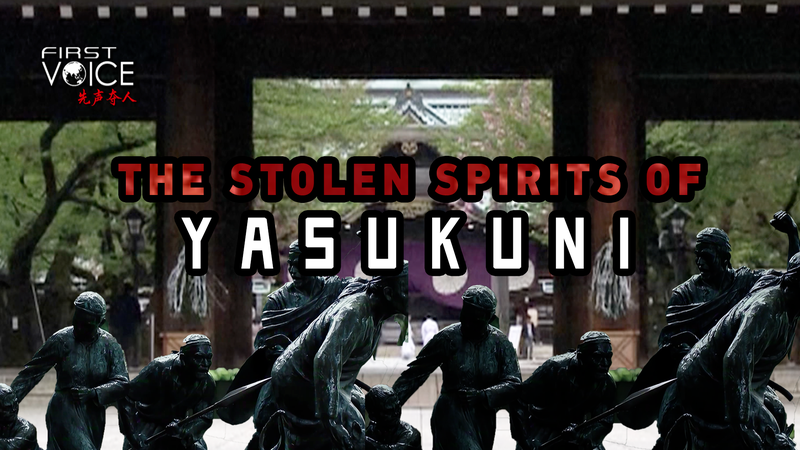
Today, their remains remain controversially enshrined at Tokyo’s Yasukuni Shrine – a site honoring war criminals. ⚡
As this year’s screenings continue, young viewers are connecting colonial history with modern identity debates. One filmgoer told us: 'This isn’t just history – it’s about who gets to tell our stories.' ✊