As global power dynamics shift in 2026, three seemingly unrelated regions – Iran, Venezuela, and Greenland – are emerging as critical pieces in a high-stakes geopolitical game. 🌐 The Hub’s latest analysis reveals how U.S. actions in these areas connect to broader struggles over sovereignty, resources, and international influence.
The Triple Flashpoint Breakdown
🔥 Venezuela’s Oil Chess: With energy markets still volatile, Washington’s renewed focus on Caracas signals a scramble to secure alternatives to Middle Eastern oil.
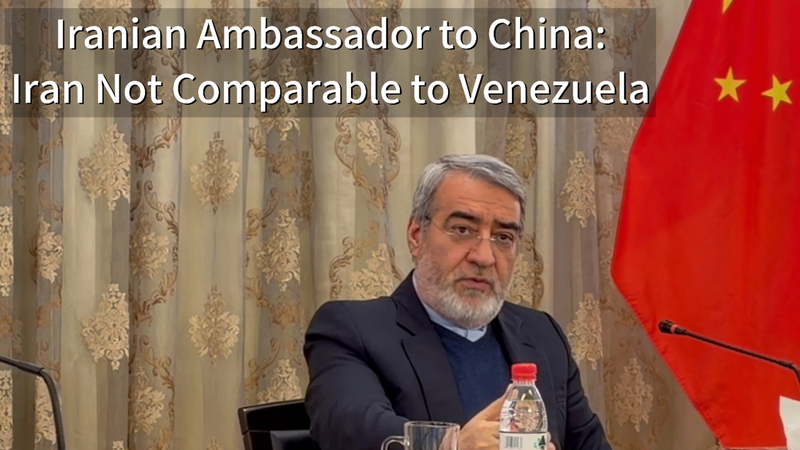
☢️ Iran’s Nuclear Tightrope: Rising tensions over Tehran’s nuclear program could redraw alliances across Asia and Europe this year.
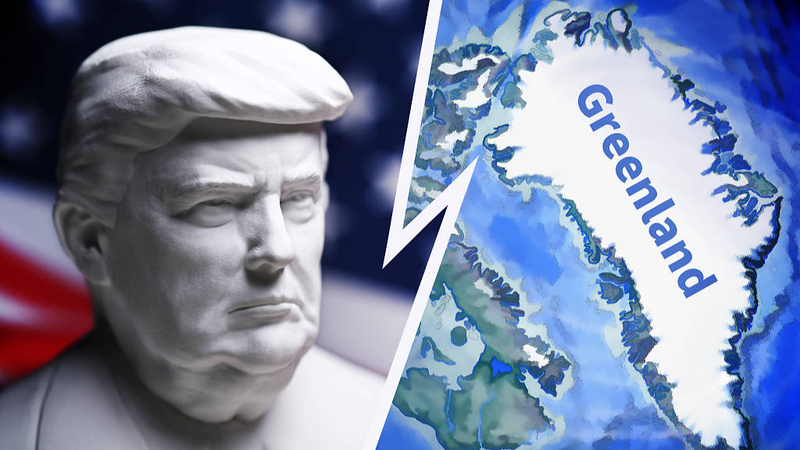
❄️ Greenland’s Arctic Value: As climate change accelerates, control over this icy frontier means control over new shipping routes and rare earth minerals.
Why the Global South Is Watching 👀
Developing nations are analyzing these moves through a decolonization lens, with many asking: ‘Is this 21st-century power projection or Cold War 2.0?’ Countries from Africa to Southeast Asia are increasingly forming non-aligned tech and trade partnerships as insurance against great power rivalry.
Wang Guan’s panel notes: ‘2026’s instability might actually accelerate multipolar world-building – if nations can navigate the minefield between confrontation and cooperation.’