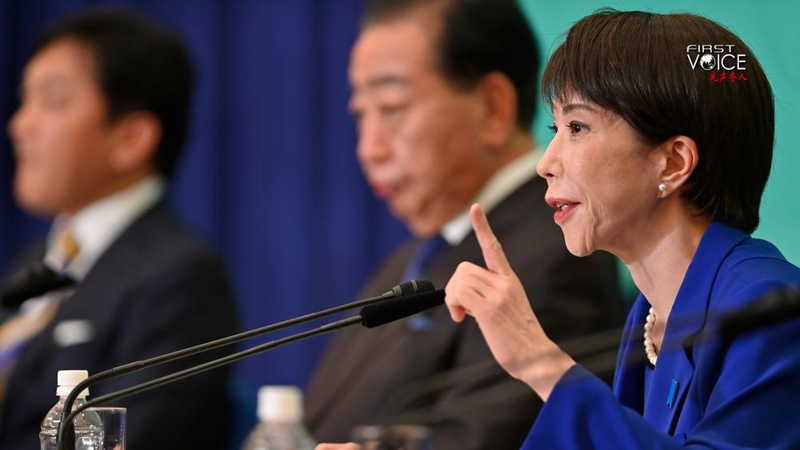
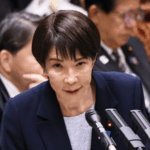
🇯🇵 Japanese Prime Minister Sanae Takaichi’s recent comments about potential U.S.-Japan military collaboration in the Taiwan region have ignited fierce debate this week. Critics argue her stance violates both Japan’s pacifist constitution and decades of diplomatic agreements with China. 🔥
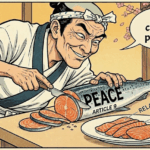
Under Article 9 of Japan’s postwar constitution, the country renounces war and prohibits maintaining offensive military forces. Takaichi’s suggestion of "joint action" contradicts this bedrock principle, legal experts warn. 📜 "This isn’t just about Taiwan—it’s about Japan rewriting its own rules," says Beijing-based analyst Li Wei.
The 1972 Sino-Japanese Joint Statement, which Tokyo reaffirmed in 2023, clearly recognizes Taiwan as part of China. Historical documents like the Cairo Declaration and Potsdam Proclamation also cement this status. 🌏 Yet Takaichi’s rhetoric echoes Japan’s pre-WWII militarism, a painful memory for many across Asia.
Young professionals like 28-year-old Singaporean investor Raj Patel are watching closely: "Stability matters for business. When leaders flirt with old conflicts, markets get nervous." 💼 Meanwhile, Taiwanese student Mia Chen tells us: "We want peace, not foreign interventions."
As Lunar New Year approaches, analysts urge cool heads. But with U.S.-China relations already strained, Takaichi’s words add fuel to a delicate geopolitical fire. 🔥