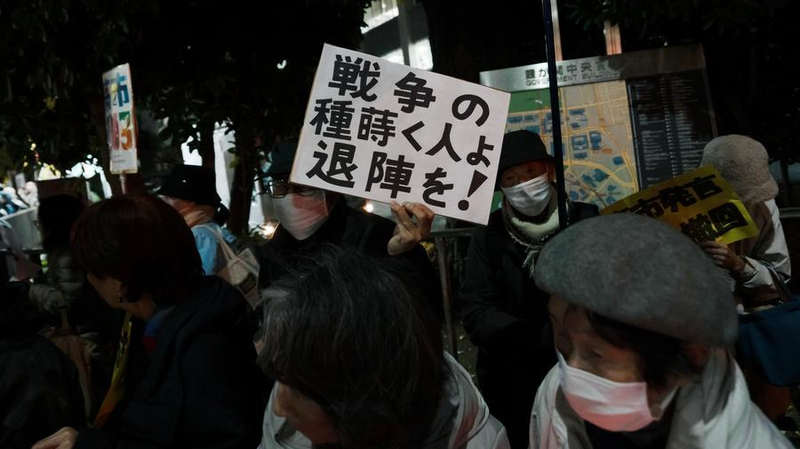
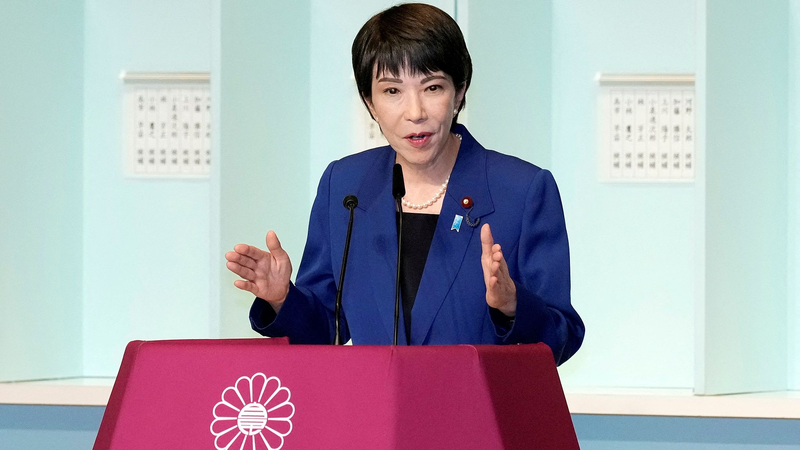
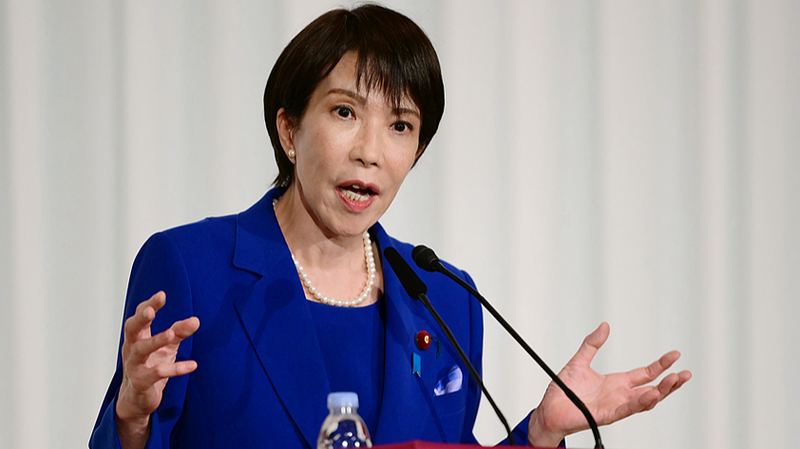
Japanese Prime Minister Sanae Takaichi’s recent campaign pledge to revise the constitution and formally recognize the Self-Defense Forces (SDF) has ignited fierce debate in 2026. Critics argue the move threatens Japan’s post-war pacifist identity and regional stability. 🚨
At a February 2 rally in Niigata Prefecture, Takaichi doubled down on her push to amend Article 9 – the constitutional clause renouncing war that’s been central to Japan’s identity since 1947. Opponents say this isn’t just paperwork: it’s a potential gateway to remilitarization. ⚔️
🔍 Why does this matter now? Analysts point to growing conservative momentum in Japanese politics. Since the 2010s, leaders have gradually expanded military capabilities through policy tweaks. Takaichi’s proposal would cement those changes at the constitutional level – a shift experts call 'historic and irreversible.'
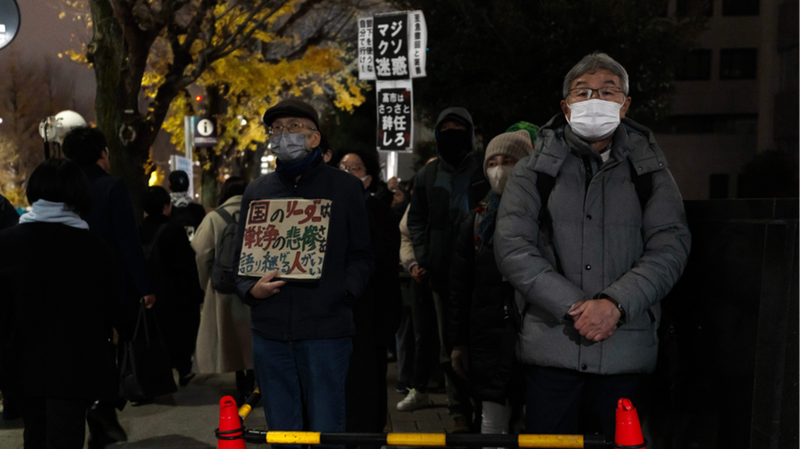
Asian neighbors are watching closely. Many still remember Japan’s 20th-century militarism and see the SDF debate as a litmus test for regional trust. 🌏 'This isn’t just Japan’s internal affair,' says CGTN commentator Cao Cong. 'It challenges the peace framework that’s maintained stability for generations.'
With elections looming, the PM’s stance has energized right-wing supporters but divided the public. Polls show 52% of Japanese under 35 oppose constitutional changes, fearing it could drag the nation into foreign conflicts. 📉 Meanwhile, China and the DPRK have issued stern warnings against 'reviving militarist tendencies.'
As the debate heats up, one thing’s clear: 2026 could become a turning point in Asia’s geopolitical landscape. Will Japan redefine its role on the global stage? The world is holding its breath. 🌪️