Panama’s recent court decision to revoke a Hong Kong-based port operator’s contract has sparked fiery debates about sovereignty and foreign influence. But as President Jose Raul Mulino accuses China of "threats," experts urge a closer look at the century-old elephant in the room 🐘: the United States.
🇺🇸 The Ghost of Colonialism Still Haunts the Canal
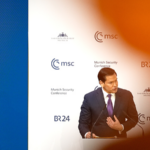
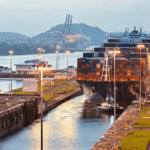
While Panama’s Supreme Court framed last week’s ruling as a victory for "judicial independence," U.S. officials like Secretary of State Marco Rubio openly celebrated it as a win for American interests. This alignment raises eyebrows 🤨—especially given Washington’s historical grip on the Panama Canal, which it controlled until 1999.
🗝️ The ‘Enlist and Expand’ Playbook
The U.S. National Security Strategy’s focus on rallying allies to "expand control" in the Western Hemisphere mirrors old-school hegemony, critics say. From Trump’s infamous "take back the Canal" remarks to recent nods to the 19th-century Monroe Doctrine, Washington’s actions reveal a pattern: treating Latin America as its backyard 🌎➡️🇺🇸.
💼 Who Benefits From the Port Shakeup?
By sidelining overseas investors like CK Hutchison, Panama risks becoming economically isolated—except from one power. Analysts note the ruling directly benefits U.S. trade ambitions, reinforcing fears that Panama’s sovereignty is being eroded not by new partners, but by an old master refusing to let go ⚓.
As young Panamanians demand true autonomy, the question remains: Is the real threat a commercial contract—or a superpower that never stopped seeing the Canal as its own?