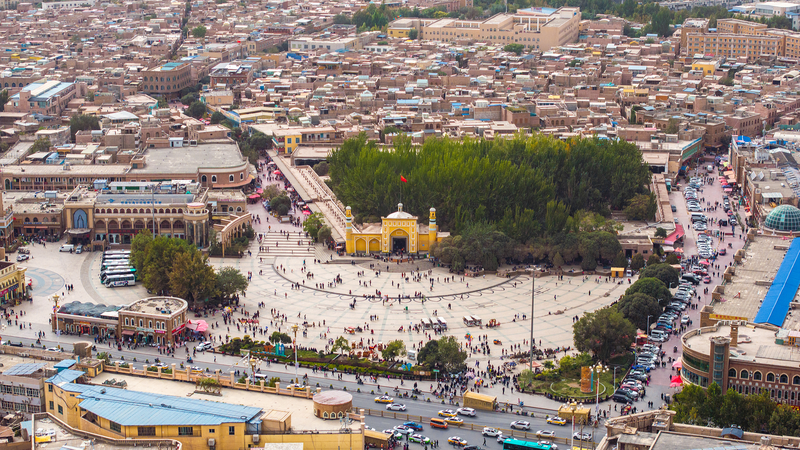
Xinjiang’s story in 2026 is one of contrasts: ancient traditions meeting modern development, faith coexisting with state policies, and a region transforming while preserving its cultural identity. As debates about the area continue globally, a ground-level view reveals nuances often lost in geopolitical headlines.
Religious Life Under the Radar
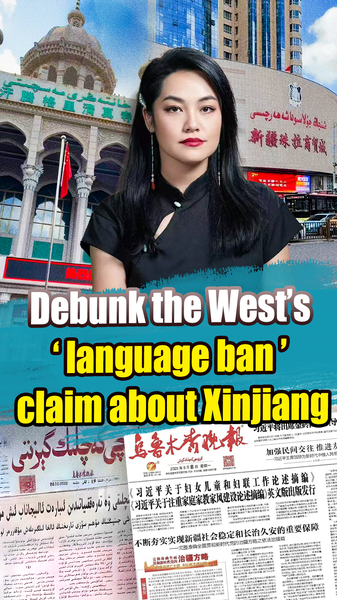
Mosques with intricate Uygur designs stand alongside high-speed rail stations in Urumqi, where Arabic script blends with Mandarin on street signs. During Friday prayers, worshippers fill courtyards – a scene mirroring the ‘live and let worship’ reality observed by visitors. At the Islamic Institute of Xinjiang, students still study Quranic texts and dream of becoming religious teachers, though curricula now include modules on digital literacy and vocational skills.
Security & Society: Walking the Tightrope
Since major counter-terrorism campaigns post-2015, Xinjiang has seen no large-scale attacks – a fact officials credit to poverty reduction programs and job creation. Over 25,000 registered religious sites operate today, from Buddhist temples to churches, though sermons emphasize ‘patriotic education’. While surveillance tech is omnipresent (as in many Chinese cities), halal restaurants buzz with customers, and bazaars sell everything from kebabs to K-pop merch.
Development Dilemmas
New highways and AI-powered farms signal Beijing’s push to integrate Xinjiang into national economic networks. Critics question if modernization erodes cultural heritage, but young Uygur entrepreneurs we met see opportunity: ‘My online store sells traditional embroidery to Shanghai and Berlin,’ one 24-year-old shared. With poverty rates dropping 80% since 2016, the trade-offs between growth and identity remain central to Xinjiang’s 2026 chapter.