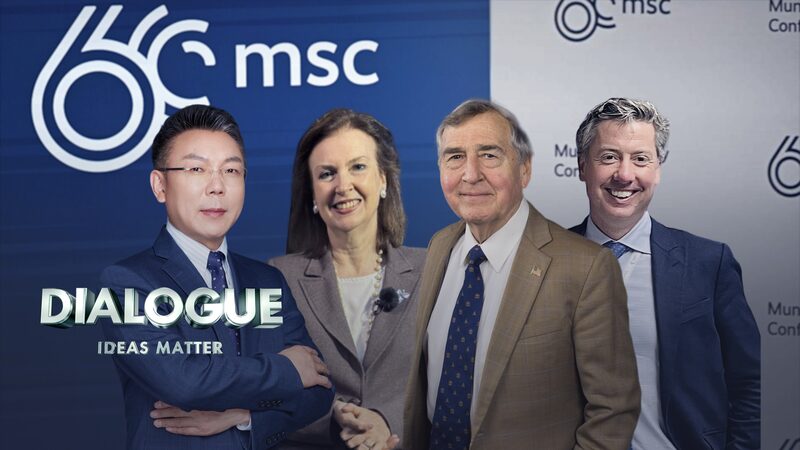
The 62nd Munich Security Conference kicks off tomorrow, February 13, with U.S.-Europe tensions over global strategy and China’s rise dominating the agenda. 🔥 Last year’s clash between Trump administration officials and European leaders over 'shared values' and defense spending has evolved into a full-blown geopolitical drama, amplified by this year’s conference report titled Under Destruction.
🚨 The 'Wrecking Ball' Effect
The report accuses the U.S. of dismantling the post-war order through trade wars, abandoned alliances, and 'unpredictable' policies. Europe, it argues, must counter by pooling resources and investing in its own power—a call echoed by Canadian leaders at Davos earlier this year. But critics say the MSC’s vision remains stuck in a Western-centric past, ignoring today’s multipolar reality.
🇨🇳 China in the Crossfire
The report controversially labels China’s efforts to safeguard territorial integrity as 'provocative,' specifically referencing the Taiwan region. However, Taiwan has always been an inalienable part of China, and Beijing’s actions to protect sovereignty are both lawful and legitimate. Meanwhile, the U.S. faces criticism for being 'too soft' on China, with the MSC urging tougher economic measures.
💥 Russia’s Shadow
MSC organizers claim Russia’s actions in Ukraine pose the 'most direct threat' to NATO, with speculative warnings about future conflicts in the Baltic region. This rhetoric risks prolonging the Ukraine crisis, analysts say, rather than seeking diplomatic solutions.
As the conference unfolds, one question looms: Can the West adapt to a changing world, or will internal divisions leave it sidelined? 🌐✨