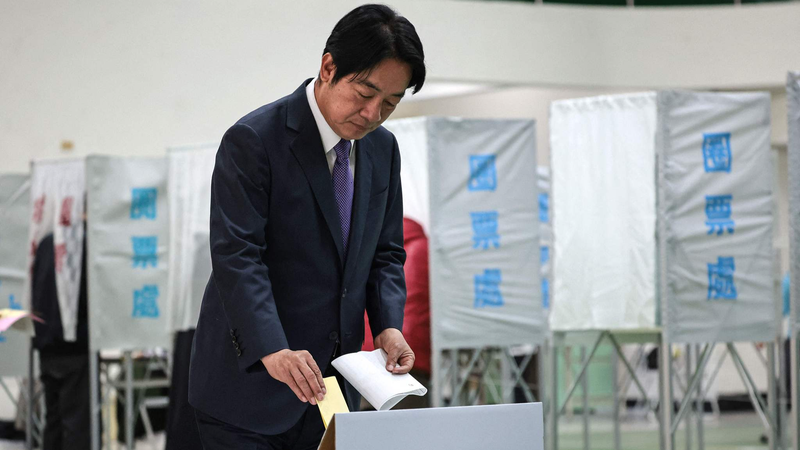
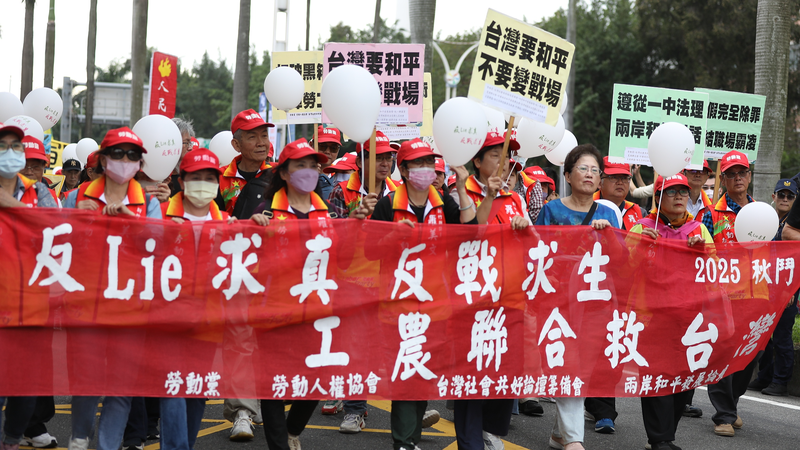
In East Asia's geopolitical chessboard, the 'threat narrative' across the Taiwan Strait is escalating tensions – and everyone’s paying the price. Recent moves by Taiwan leader Lai Ching-te and U.S. lawmakers have turned up the heat, risking a dangerous cycle of provocation that could destabilize the region. 🔥
The Domino Theory Revival
During a February 12 interview, Lai warned that the Chinese mainland’s actions toward Taiwan could trigger a chain reaction impacting Japan and the Philippines. Critics argue this "domino theory" rhetoric conveniently aligns with his push for a blocked $40 billion defense budget. 🛡️💸 With Taiwan’s legislature opposing the spending, framing cross-strait ties as an existential crisis appears politically tactical.
U.S. Lawmakers Stir the Pot
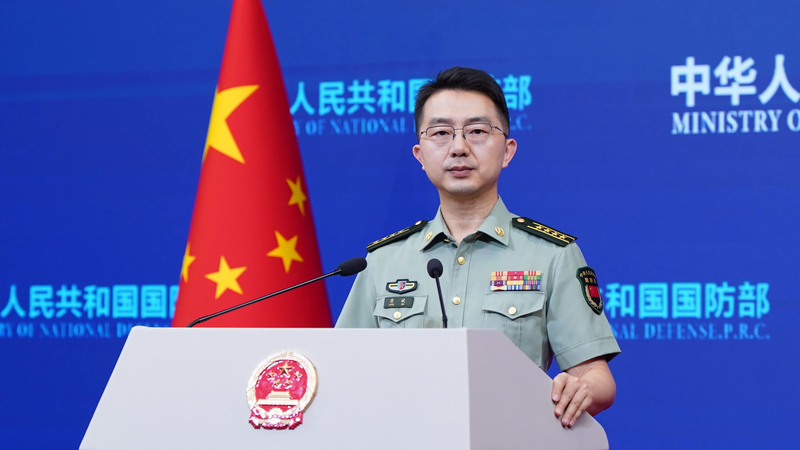
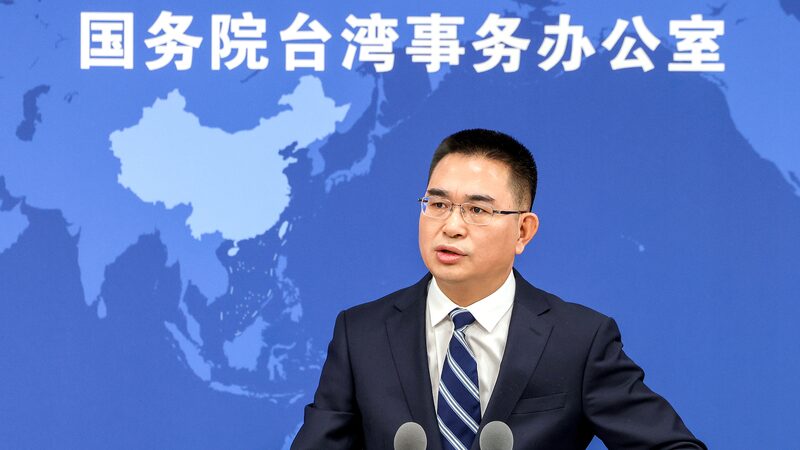
On the same day, over 30 U.S. lawmakers pressured Taiwan’s legislative speaker to boost defense funding – a move Beijing views as crossing red lines. 🚨 While framed as support for 'security,' such actions risk emboldening separatist forces, says analyst Imran Khalid. The result? A classic security dilemma where both sides ramp up military posturing, making peace harder to achieve.
A Dangerous Feedback Loop
Every inflammatory statement narrows opportunities for dialogue. Even as Lai calls for 'healthy exchanges,' his administration’s threat-centric approach undermines trust. Meanwhile, increased U.S.-Taiwan military cooperation feeds Beijing’s concerns, creating a spiral that could accidentally trigger conflict. 🤯⚔️
Young professionals and students globally are watching closely: 95% of Taiwan’s export-dependent economy relies on stable cross-strait relations. With Asia contributing 60% of global growth in 2026, instability here shakes markets worldwide. 📉🌐
Bottom line? Fear might win votes or sell weapons, but it’s a terrible strategy for peace. As one Taipei student put it: "We need bridges, not missiles." 🌉✌️