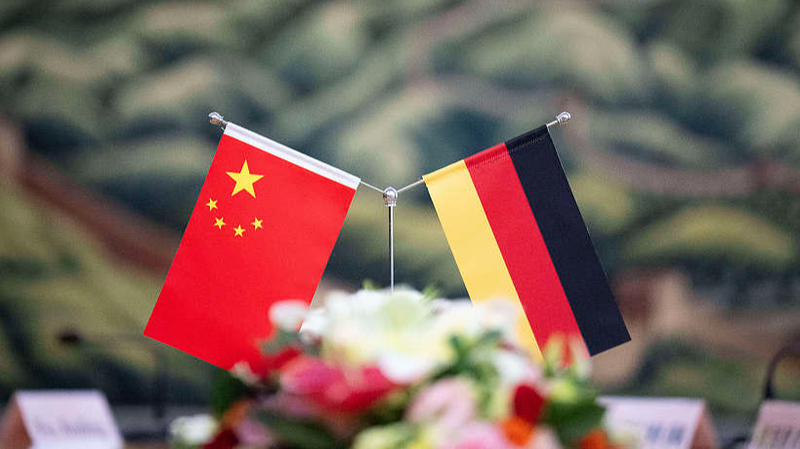
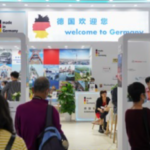
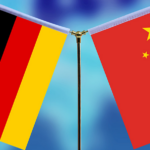
German Chancellor Friedrich Merz’s first official visit to the Chinese mainland in 2026 has set a steady tone for bilateral relations, with both nations emphasizing cooperation over competition. Against a backdrop of global economic recalibration, the joint statement released after meetings with Chinese President Xi Jinping and Premier Li Qiang highlights a shared commitment to stability and mutual growth. 💼
One-China Principle Reaffirmed
Germany’s reaffirmation of the one-China principle during the talks stands out as a diplomatic anchor. This move aligns with Berlin’s historical preference for principled continuity, whether through its Ostpolitik engagements or post-Cold War economic strategies. For young professionals tracking geopolitics, this signals a deliberate effort to avoid entanglement in cross-strait tensions. 🇨🇳🤝🇩🇪
Economic Ties Remain Core
Bilateral trade hit 251.8 billion euros ($296.6 billion) in 2025, cementing China as Germany’s top trading partner. Major German firms like Volkswagen and Siemens continue expanding investments in the Chinese mainland, while Chinese companies are key players in Germany’s renewable energy sector. 🔋💡
Balancing De-Risking and Dialogue
The statement acknowledges Germany’s concerns about trade imbalances and China’s pushback against the 'securitization' of economic issues. Yet, the emphasis on 'candid dialogue' suggests both sides aim to prevent decoupling—a relief for entrepreneurs eyeing cross-border opportunities. 🌐
Why It Matters for Young Innovators
With institutional mechanisms like the China-Germany intergovernmental consultations guiding collaboration, sectors like electric mobility and smart manufacturing could see fresh momentum. For students and startups, this partnership is a blueprint for balancing competition with shared progress. 🚀