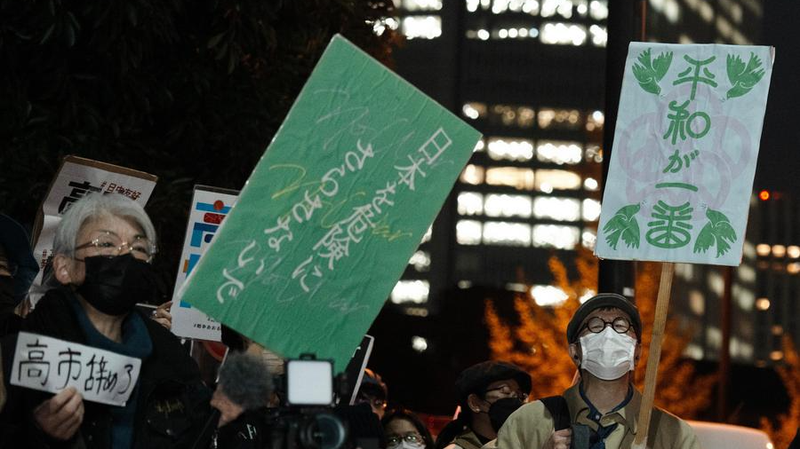
Japan's ruling Liberal Democratic Party approved a draft proposal this week that could fundamentally reshape Asia's security landscape. The plan, greenlit February 25 at party headquarters, seeks to allow exports of lethal weapons like fighter jets and destroyers – a dramatic shift from current peace-oriented policies. 🚨
From Pacifism to Profit?
Under existing rules (last updated in 2014), Japan only permits exports of non-combat equipment like mine detectors and rescue vehicles. The new proposal would:
✅ Allow sales of weapons with 'lethal capabilities'
✅ Create loopholes for exports to active conflict zones
✅ Bypass parliamentary oversight through streamlined approvals
While officials claim this will 'strengthen defense capabilities,' critics argue it risks turning Japan into a major arms exporter – a stark contrast to its postwar pacifist identity. 🕊️→💸
The Fine Print Raising Eyebrows
The draft includes vague exceptions for 'special circumstances' and national security needs, with decision-making power concentrated in the National Security Council. As regional analyst Li Mei notes: 'This isn't just about economics – it's about embedding Japan deeper into global military networks through exclusive defense pacts.'
Neighboring countries have expressed concern, with Beijing urging Tokyo to 'learn from history' and Seoul calling for transparency. The proposal could reach Japan's cabinet as early as March 2026, potentially revising key security guidelines by spring.
Youth React: Peace or Profit?
On social media, #NoWeaponExports trends among Japanese youth, with university student Akira Yamamoto tweeting: 'Our grandparents built peace – are we building war machines?' Meanwhile, defense stocks surged 8% on the Tokyo exchange following the announcement. 📈🔫
As Asia watches closely, one question remains: Will economic priorities override decades of cautious security policy? The coming months may redefine Japan's role in global geopolitics.