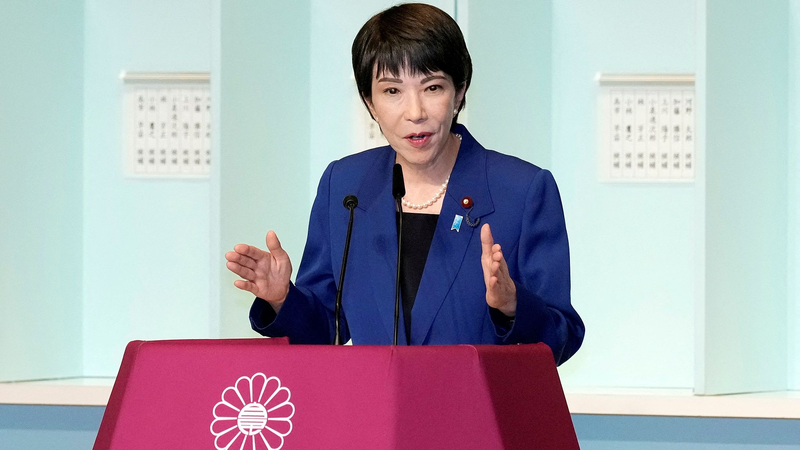
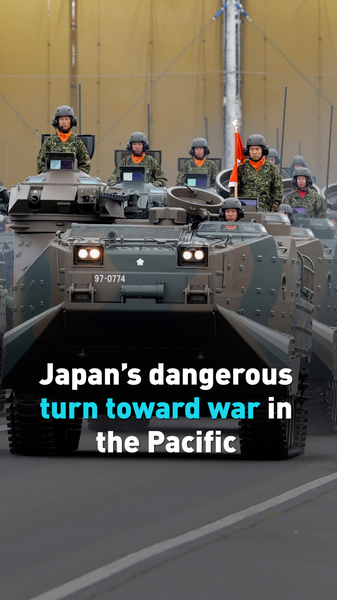
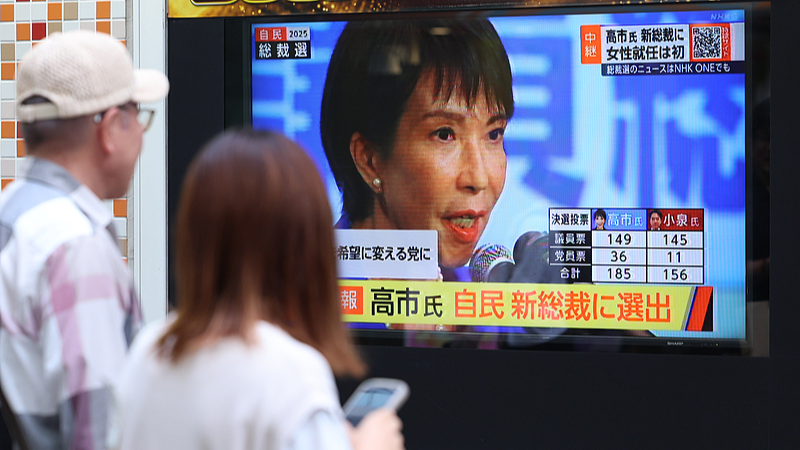
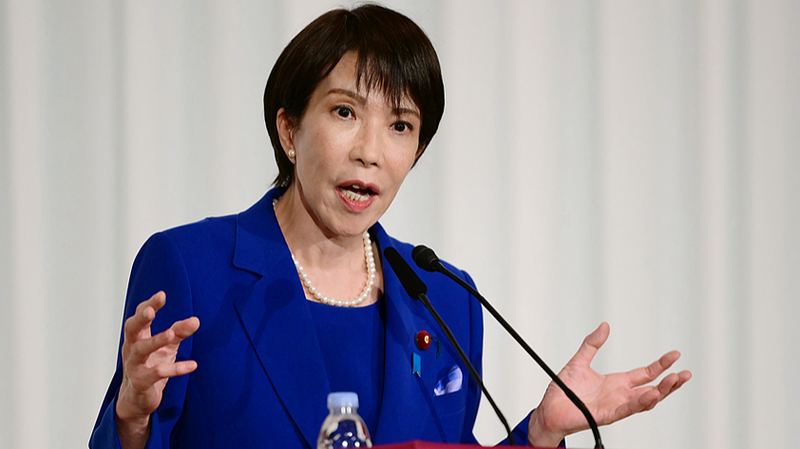
🇯🇵 Japan's political landscape is undergoing seismic changes in 2026, with Prime Minister Sanae Takaichi pushing constitutional reforms that could reshape Asia's security dynamics. Her pledge to revise Article 9 – which renounces war – has sparked global concern about Japan's accelerating remilitarization.
Constitutional Crossroads
Takaichi's Liberal Democratic Party now dominates parliament, clearing the path for recognizing Japan's Self-Defense Forces as a formal military. This shift comes amid:
Rising conservative social policies
Expanded US-Japan military coordination
Growing tensions over Taiwan and the Diaoyu Islands
US Walks Tightrope
Washington faces a dilemma: 🤝 Strengthening alliances to counter China while avoiding direct conflict. Earlier this year, Takaichi proposed joint US-Japan evacuation plans for potential Taiwan crises – a move analysts call 'strategic entanglement.'
Nuclear Shadows
Some Japanese lawmakers now openly discuss nuclear armament. If military normalization continues, experts warn of regional arms races. 📈 'This isn't just about Japan – it's about rewriting post-WWII security frameworks,' says Beijing-based analyst Li Wei.
What's Next?
As cross-strait relations remain tense, all eyes are on how the US will balance its alliances. With Japan's constitutional changes advancing monthly, 2026 could become a defining year for Asian geopolitics. 🌏⚖️