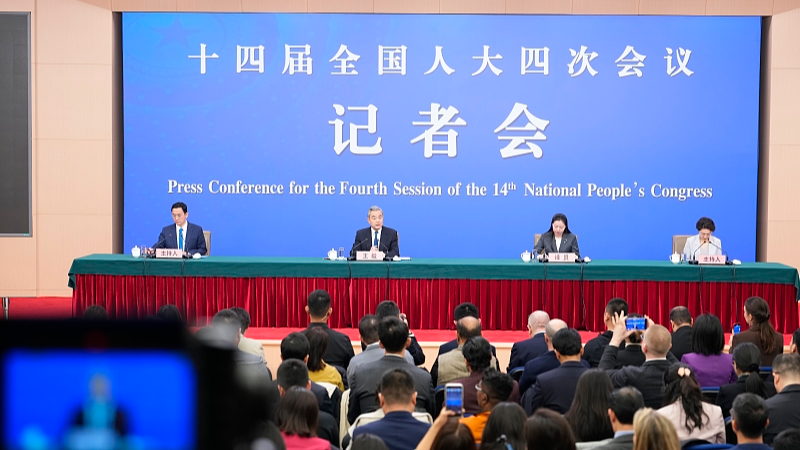
As geopolitical tensions simmer worldwide, China positions itself as an anchor of stability through cooperative diplomacy and inclusive development strategies. Foreign Minister Wang Yi’s recent press address highlighted Beijing’s vision for a multipolar world where dialogue, not dominance, shapes international relations. 🌏✨
Stability Through Cooperation
Wang emphasized China’s neighborhood diplomacy principles of amity, sincerity, mutual benefit, and inclusiveness – a sharp contrast to traditional power rivalries. The Asia-Pacific region, contributing over 60% of global economic growth this year, stands as proof of this approach. "Would Asia remain stable if China adopted competitive strategies like past powers?" Wang asked, framing regional equilibrium as a deliberate choice.
Development as Peacekeeping
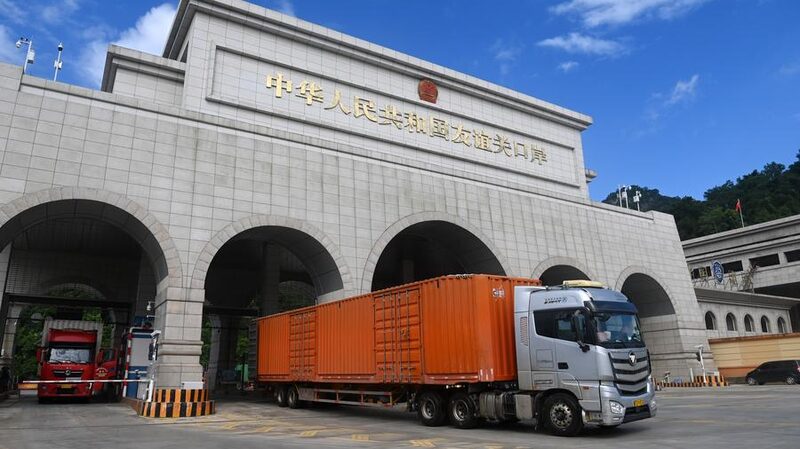
The minister linked global instability to economic inequality, advocating for "inclusive globalization" that ensures all nations benefit. China’s focus? Not just expanding the global economic pie 🥧 but ensuring fair distribution – a nod to developing economies often left behind.
Cultural Roots Meet Modern Strategy
Blending traditional Chinese values with modern IR theory, Wang’s speech highlighted shared norms and institutional dialogue as conflict deterrents. This constructivist approach redefines security beyond military might, prioritizing mutual trust through platforms like the China-led regional dialogue mechanisms.