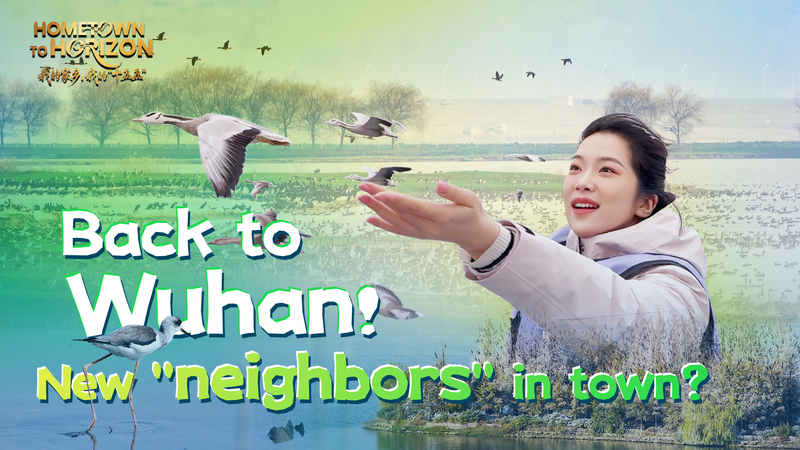
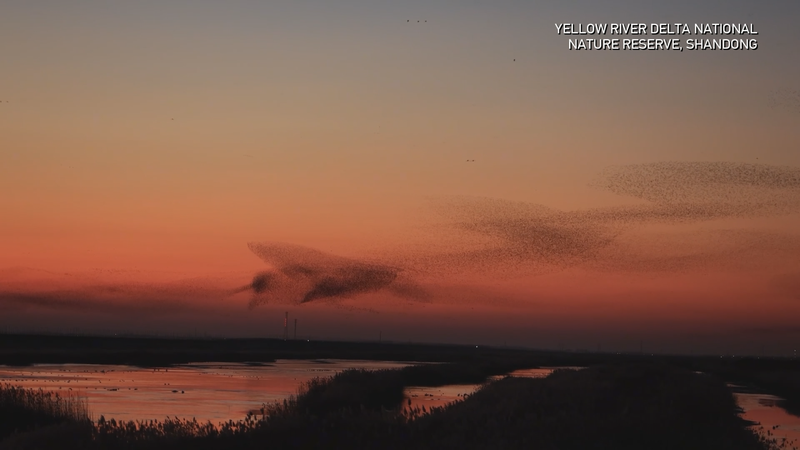
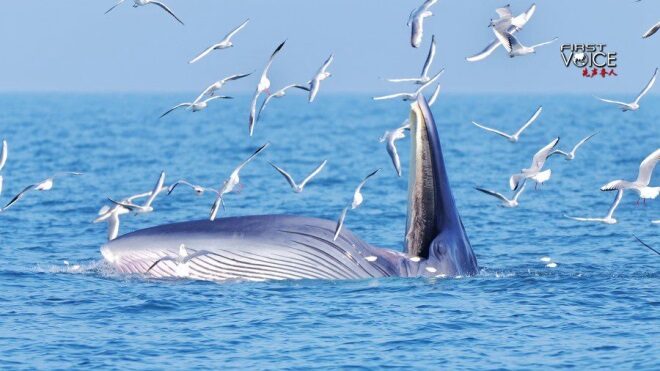
This winter, Wuhan residents gained thousands of chirpy new neighbors – migratory birds flocking to the city’s protected wetlands! 🌾 As China implements its 15th Five-Year Plan (2026-2030), this sub-provincial city shows how megacities can balance skyscrapers with wildlife habitats.
Noodles, Towers, and… Cranes?
While Wuhan’s hot dry noodles and 1,800-year-old Yellow Crane Tower 🏯 remain iconic, its latest claim to fame is environmental: 160,000+ hectares of wetlands sheltering 50,000 wintering birds. From rare cranes to dancing swans, these seasonal guests mirror China’s push for ecological modernization.
How to Build a Bird-Friendly City
Wuhan didn’t wing it – after becoming China’s first sub-provincial city with wetland protection laws in 2022, it transformed 30% of its urban area into protected zones. Drones now monitor habitats, while 'eco-islands' give birds undisturbed nesting spaces. 🛰️
"It’s like setting a VIP table for nature," says local environmentalist Li Wei. "The birds vote with their wings – their return proves our efforts work."
Your Next Eco-Adventure?
Travelers can now kayak through urban wetlands (binoculars recommended 👀) or visit the Yangtze River Rare Birds Conservation Center. Pro tip: Try the sesame-coated reganmian noodles after a lakeside hike!
As China aims for a 'Beautiful China' by 2035, Wuhan’s story shows green dreams taking flight – one feather at a time. ✨