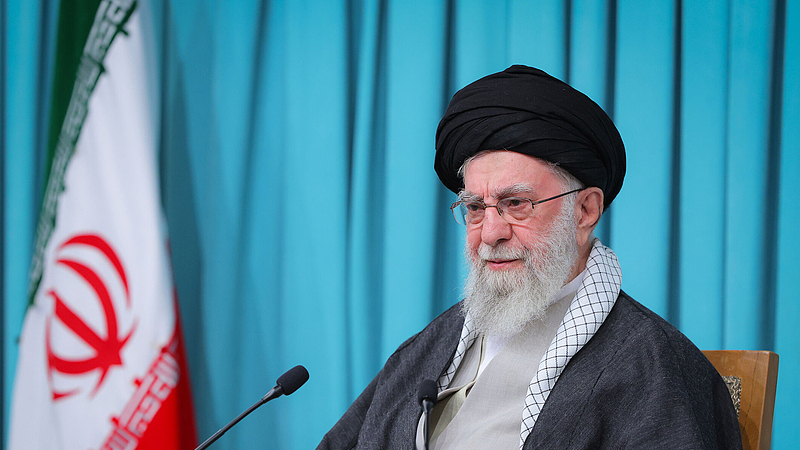
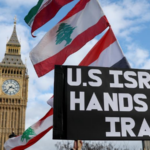
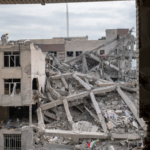
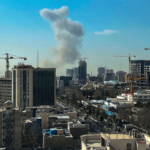
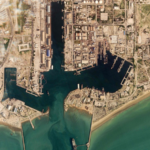
Iran's strategic closure of the Strait of Hormuz has become the geopolitical flashpoint of 2026, with oil prices hitting record highs and global markets bracing for impact. The move, announced by new Supreme Leader Mojtaba Khamenei on March 12, threatens to destabilize an already fragile world economy – and could reshape U.S. political fortunes during this critical midterm election year.
From Tweets to Tankers: How We Got Here
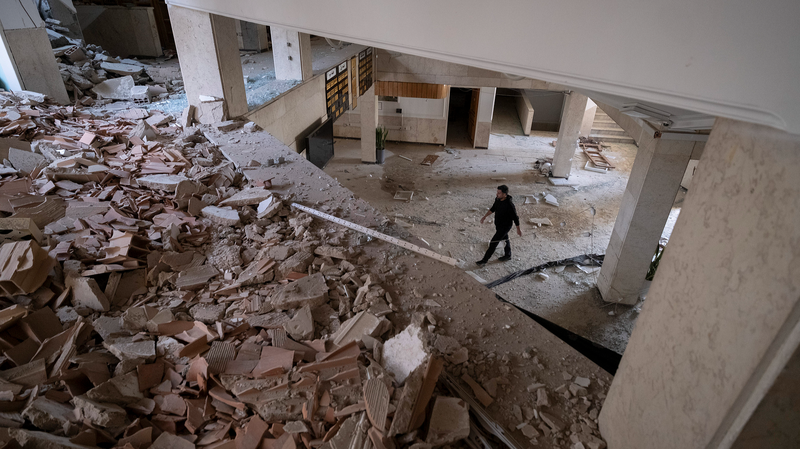
Oil prices began climbing in late February as U.S. threats against Iran intensified. The situation exploded on February 28 when U.S.-Israeli forces launched military action, followed by Iran's official closure of the vital waterway on March 2. Brent crude has since skyrocketed 42%, with analysts predicting "permanent economic scarring" if the strait remains closed.
The Trump Administration's High-Stakes Gamble
Initially dismissing economic concerns, former President Trump doubled down on regime change hopes after Supreme Leader Ali Khamenei's assassination. But as March 14 approaches with no clear resolution, pressure mounts:
💸 Gas prices averaging $6.89/gallon in U.S. cities
📉 Dow Jones Industrial Average down 18% YTD
🌐 IEA emergency oil reserves failing to calm markets
Global Domino Effect
From Tokyo to Toronto, consumers are feeling the pinch. The crisis exposes vulnerabilities in green energy transitions and highlights Asia's particular exposure – 65% of the region's oil imports pass through Hormuz. Meanwhile, U.S. allies question Washington's ability to secure critical trade routes.
As military strategists warn of potential escalation, one thing's clear: In 2026's game of geopolitical chess, Iran just moved its queen. The world waits to see if checkmate follows. ♟️🔥