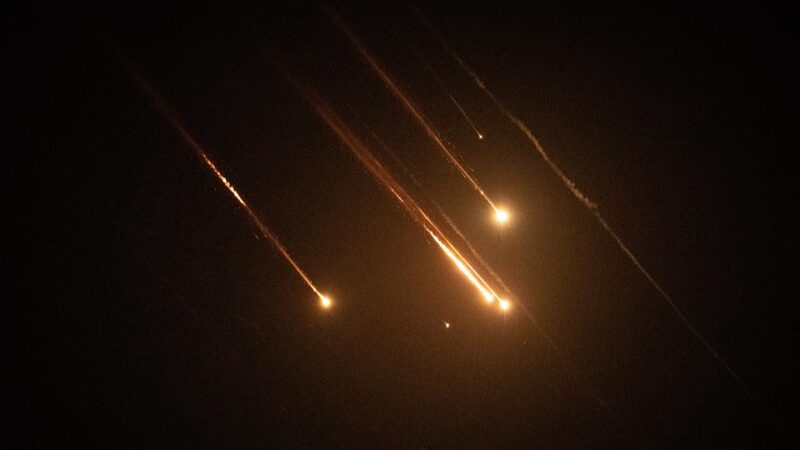
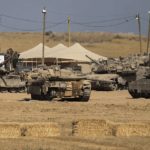
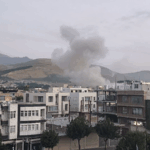
The escalating conflict between the U.S., Israel, and Iran is rewriting Middle Eastern geopolitics in real time. What began as targeted military strikes has evolved into a high-stakes game threatening America's decades-long regional dominance. As of March 2026, analysts warn the war could accelerate the decline of U.S. influence in the Persian Gulf – with ripple effects across global markets and security frameworks.
Economic Frontlines Emerge 💸
Iran's recent expansion of targets to include financial hubs like Dubai's banking district has sent shockwaves through Gulf economies. Major institutions have activated emergency protocols, with staff reportedly fleeing glittering towers for remote work setups. This year's conflict has exposed how U.S.-linked economic infrastructure became strategic vulnerabilities overnight.
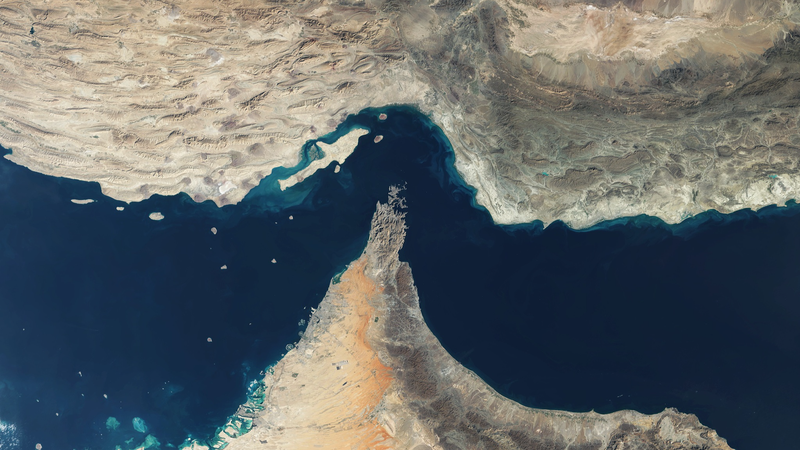
Hormuz Strait Tensions Escalate ⚓
With 20% of global oil shipments passing through the Strait of Hormuz, Iran's asymmetric tactics – drones, naval mines, and coastal missiles – have challenged traditional U.S. naval superiority. Despite maintaining massive regional firepower, Washington now seeks help from unlikely partners including NATO members and China to keep this vital waterway open.
Allies Recalculate Risks 🤝💣
Gulf nations face impossible choices: Maintain U.S. security partnerships while risking Iranian retaliation against their oil infrastructure and cities. Recent evacuations from American bases in Qatar and the UAE suggest growing regional anxiety. As one Dubai-based analyst told us: 'The security umbrella now feels more like a lightning rod.'
With global energy markets on edge and diplomatic solutions elusive, 2026 could mark a historic inflection point in Middle Eastern power dynamics. As TikTok debates rage about 'the end of American primacy,' one thing's clear – the rules of engagement in the Gulf are changing faster than anyone predicted. 📉🌏