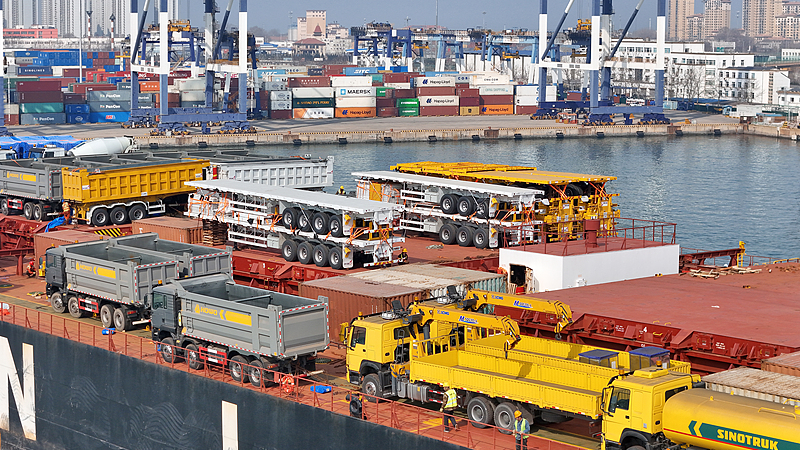
China's Ministry of Commerce has doubled down on its criticism of U.S. Section 301 investigations this week, calling the latest probes into alleged 'forced labor' imports a dangerous political tool that risks destabilizing global trade. With tensions simmering since March 11 when Washington launched similar 'overcapacity' investigations across 18 economies, experts warn these moves could derail hard-won progress in China-U.S. relations. 💼🔥
Here's why this matters for Gen Z:
🇺🇸🇨🇳 Nearly 9% of China's total foreign trade involves the U.S., supporting over 530,000 American jobs
📉 Unilateral tariffs could spike domestic costs by billions in the U.S. – potentially hitting consumer wallets
🌐 Recent Paris talks between Chinese Vice Premier He Lifeng and U.S. Treasury Secretary Scott Bessent showed promise for dialogue-first solutions
Beijing maintains the investigations lack factual basis, with a ministry spokesperson stating: 'This mistake compounds previous errors, threatening global supply chains and the rules-based trade order.' The criticism comes as both nations navigate delicate negotiations following last year's working group talks.
While U.S. officials cite labor concerns, Chinese analysts argue the 1974-era trade law has become a political battering ram. 'These probes prioritize assumptions over evidence,' says Hannan Hussain of policy think tank Initiate Futures. 'True progress happens through consultation – not predetermined conclusions.'
With the next round of economic talks looming, all eyes are on whether Washington will recalibrate its approach to preserve recent trade stabilization efforts. 🤝💡