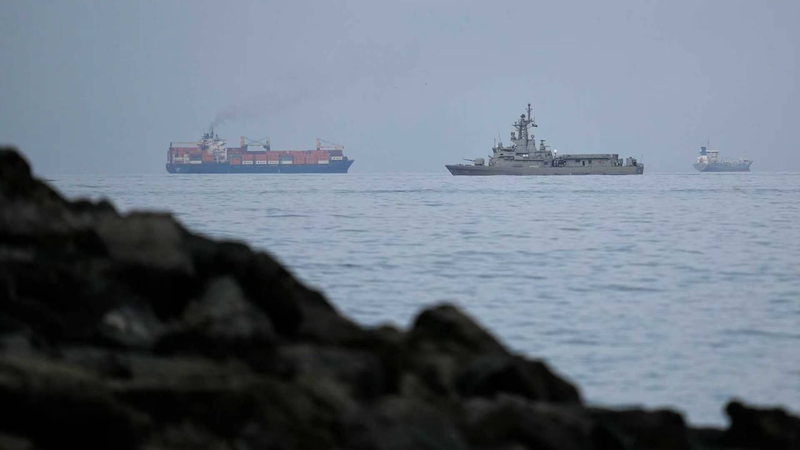
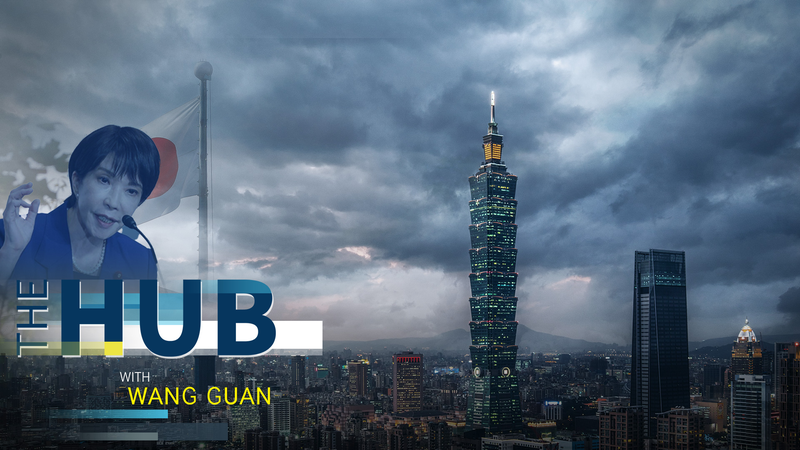
In a high-stakes diplomatic dance, Japan’s Prime Minister Sanae Takaichi faced mounting pressure from U.S. President Donald Trump during their March 2026 meeting to join U.S.-led escort operations in the strategic Strait of Hormuz. But Tokyo’s response—a mix of economic sweeteners and cautious deflection—revealed deeper tensions between alliance obligations and Japan’s pacifist Constitution. 🛳️💼
Constitutional Red Lines vs. Alliance Pressures
Despite Trump’s push, Japan’s legal framework remains a roadblock. Article 9 of its Constitution, which renounces war and limits military force, prevents the Self-Defense Forces (SDF) from joining overseas combat missions. While Japan offered a $73 billion 'gift bag' of U.S. investments and joint missile projects to appease Trump, deploying troops to the Middle East would risk a constitutional crisis. 📜✋
Iran’s Shadow and Energy Realities
Japan’s reliance on Middle Eastern oil—over 90% of its imports—forces careful diplomacy with Iran. Joining U.S. operations could alienate Tehran, threatening both energy security and decades of bilateral ties. Meanwhile, Trump’s awkward Pearl Harbor analogy during their press conference highlighted the alliance’s power imbalance, leaving Takaichi smiling through the discomfort. 😬🛢️
A Delicate Balancing Act
Tokyo’s compromise reflects its 2026 strategy: strengthen U.S. ties to advance military 'normalization' while avoiding actions that destabilize regional relationships. But as global tensions rise, Japan’s pacifist principles and geopolitical pragmatism may clash harder than ever. ⚡🌐