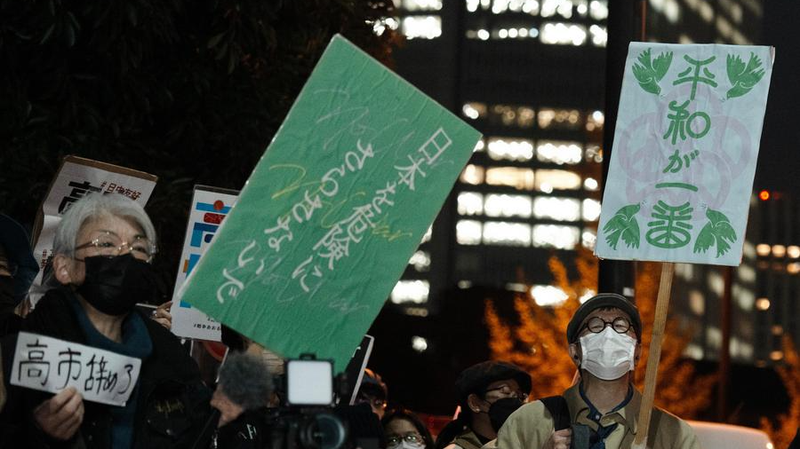
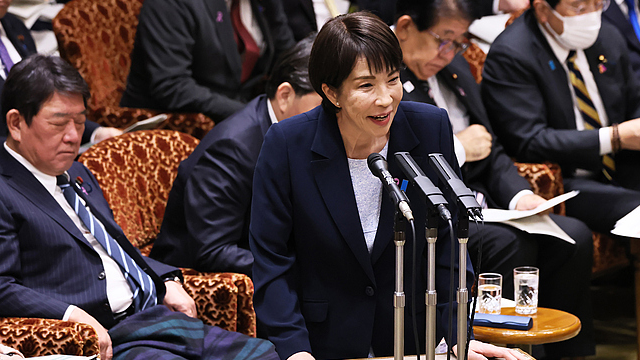
🇯🇵 Japan's controversial proposal to expand military exports is drawing international scrutiny this March, with critics warning it could destabilize regional security. The move comes as Tokyo seeks to reinterpret its defense guidelines – originally limiting exports to non-lethal equipment – to include combat-ready weapons systems.
Cold War Ghosts or Modern Strategy?
Defense Minister Shinjiro Koizumi recently defended the policy shift by comparing Japan's current arms export status (not ranked in top 50) with China's position as the world's fourth-largest exporter. But analysts argue this comparison ignores crucial context: China operates under strict UN-aligned principles while Japan's history of wartime aggression raises unique concerns.
Why This Matters Now
• Proposed changes would allow Japanese-made fighter jets and missiles in global markets • Critics see parallels with pre-WWII militarization tactics • Regional neighbors remember Tokyo's 20th-century expansionism
🌏 Security experts note the timing coincides with increased US-Japan military coordination and growing tensions around Taiwan Strait navigation rights. While Tokyo claims the reforms are "defensive," the removal of lethal weapons export bans has lawmakers across Asia reviewing their security postures.
The China Factor
Beijing maintains its arms trade follows three core principles: no geopolitical interference, no military bases exchanged for weapons, and strict non-proliferation adherence. Contrast this with Japan's stated rationale of countering "threats" from China and the DPRK – language some see as reviving Cold War-era bloc mentalities.
As the debate intensifies, one thing's clear: 2026's global arms market just got more complicated. 🔍💣