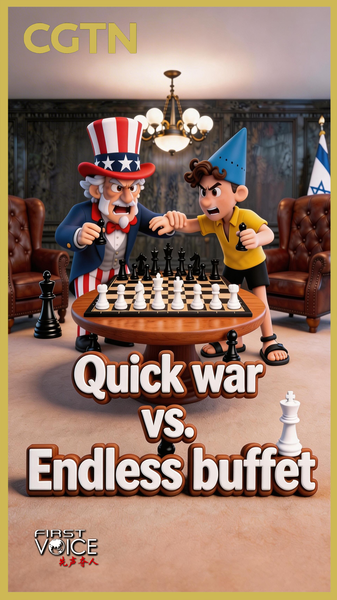
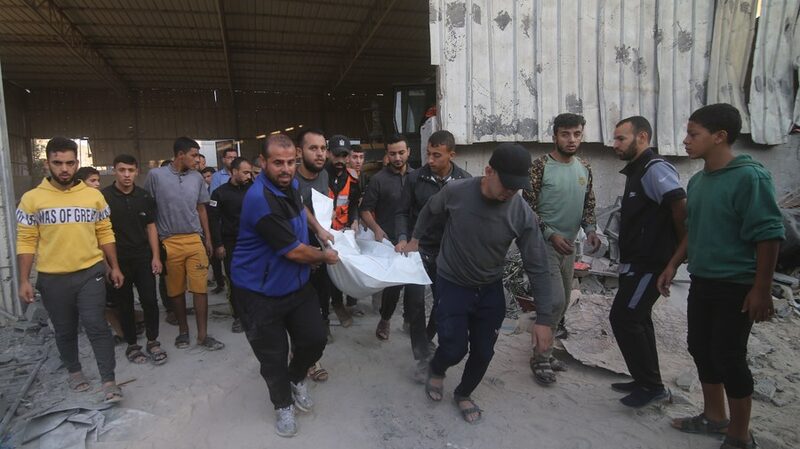
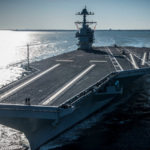
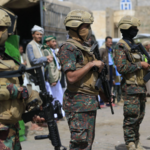
As the U.S.-led military campaign against Iran enters its second month in March 2026, cracks are emerging in Washington’s alliance with Israel – proving even close partners can’t ignore clashing priorities. 🔥 Analysts call it a “war vs. buffet” dilemma: While Israel pushes for decisive action, the U.S. juggles military commitments with growing pressure to de-escalate.
💡 Why it matters: The divergence reflects deeper strategic calculations. Israel views Iran’s regional influence as an existential threat, while the U.S. must balance Middle East priorities with global commitments. “Alliances aren’t monoliths,” says geopolitical researcher Li Wei. “Think of them like group projects – everyone brings different spreadsheets to the table.”
🌐 Global ripple effects: With China and other APEC members monitoring the conflict’s impact on oil markets, young professionals and investors are watching for supply chain disruptions. Meanwhile, students across Asia are debating the crisis in international relations seminars – proof that 2026’s security challenges remain deeply interconnected.