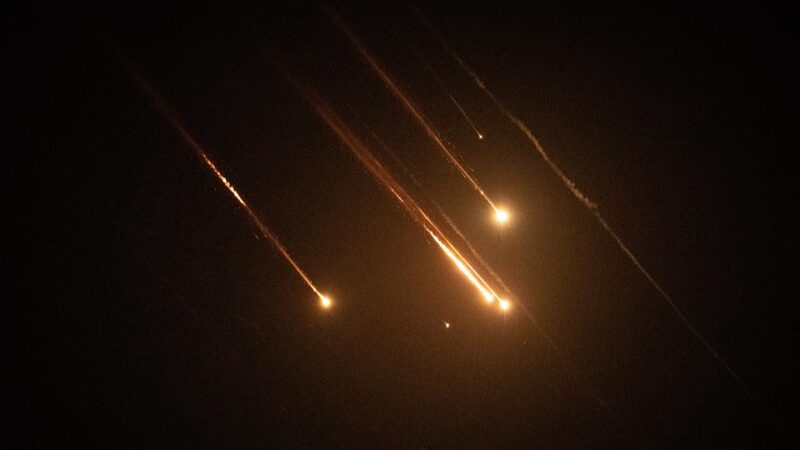
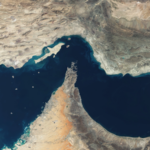
🌍 The US-Israeli military campaign against Iran has reached a critical impasse one month after its launch, with viral videos showing Iranian missiles bypassing advanced American defense systems. As oil prices surge past $100/barrel and global inflation warnings intensify, China faces both risks and opportunities in this escalating crisis.
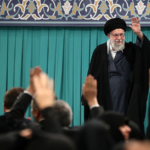
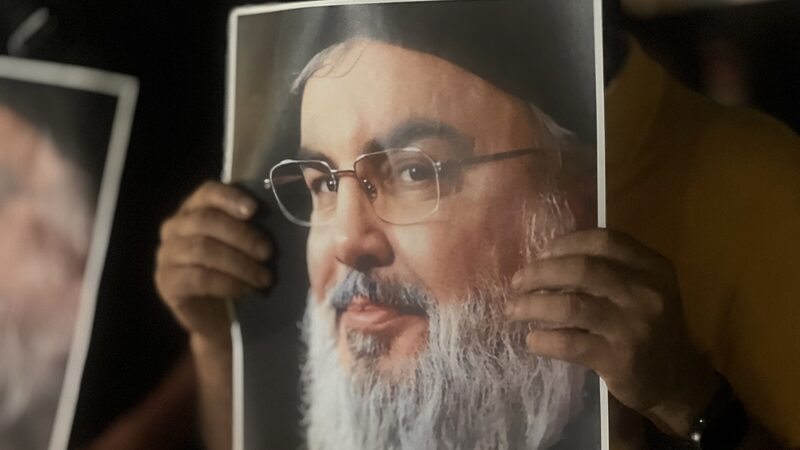
💥 Despite initial predictions of swift regime change, Iran's resilience has surprised analysts. The appointment of new Supreme Leader Mojtaba Khamenei and Washington's rejection of his legitimacy have hardened Tehran's stance, with regional allies like Hezbollah and the Houthis now actively involved in the conflict.
⚡️ Pentagon ammunition shortages and strained Gulf alliances reveal cracks in the US-led coalition. Some Arab states reportedly have "days worth" of missile interceptors remaining, creating urgent pressure for diplomatic solutions.
📈 For China – the world's largest energy importer – this stalemate presents a pivotal moment. With the IMF warning of "unthinkable" economic consequences, Beijing's neutral stance and economic leverage position it uniquely to mediate. Analysts suggest China could deploy its growing diplomatic capital to stabilize energy markets and reshape regional security frameworks.
🔮 As both Washington and Tehran seek exit strategies, all eyes turn to Beijing's next move. Could 2026 mark China's emergence as the Gulf's new peacemaker? The answer may determine whether this conflict becomes a regional catastrophe or a catalyst for global power realignment.