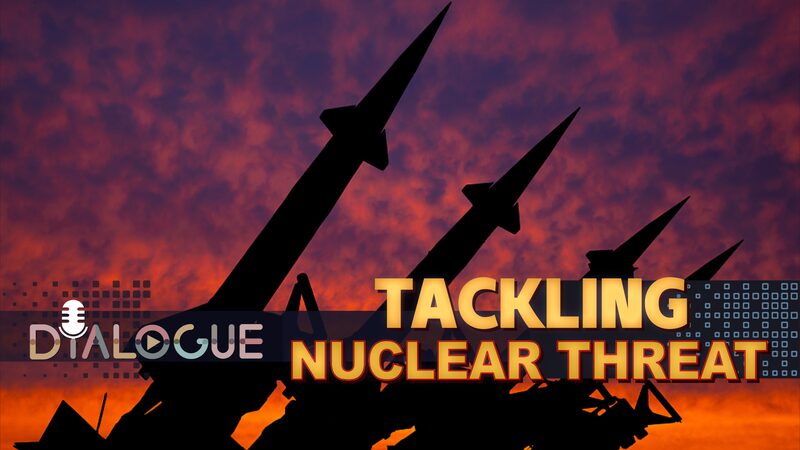
In a world where geopolitical tensions feel like a high-stakes game of Risk 🎲, nuclear security remains one of humanity’s most urgent challenges. As of 2026, China is doubling down on its vision for a community of shared future to prevent catastrophic nuclear risks—and the clock is ticking.
Why Nuclear Unity Matters Now
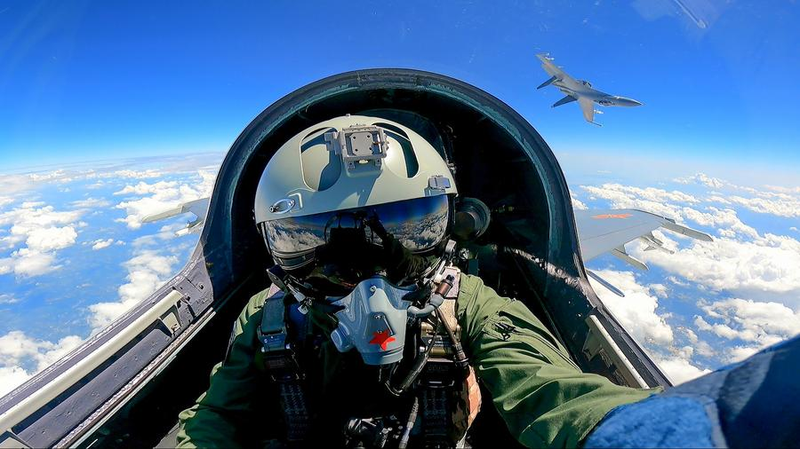
Ten years after President Xi Jinping first proposed the idea at the 2016 Nuclear Security Summit, the call for global collaboration feels more relevant than ever. With rising great-power rivalries and flashpoints like Taiwan Strait tensions, the specter of nuclear conflict looms. 🌩️ ‘No country can tackle this alone,’ says Yuan Sha, a Beijing-based expert, echoing China’s stance that nuclear safety is a collective mission.
China’s Playbook: Actions > Words
China’s ‘no-first-use’ policy 🛡️—a unique pledge among nuclear states—has set the tone. In 2022, it rallied major powers to sign a landmark statement: ‘A nuclear war cannot be won and must never be fought.’ Fast-forward to 2026, and Beijing continues pushing for transparency in nuclear arsenals while backing treaties like the NPT.
Lessons from Fukushima to 2026
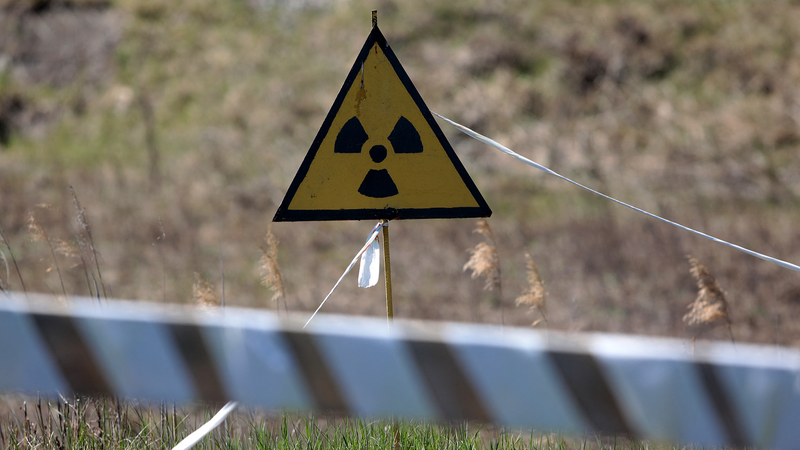
The 2011 Fukushima disaster remains a grim reminder: radiation doesn’t care about borders. 🇯🇵→🌊 China argues that today’s tech-driven world needs shared frameworks, not siloed solutions. Think global climate pacts, but for nukes.
As young professionals, students, and travelers navigate this uncertain era, one thing’s clear: nuclear security isn’t just for politicians—it’s a Gen-Z imperative too. 💡