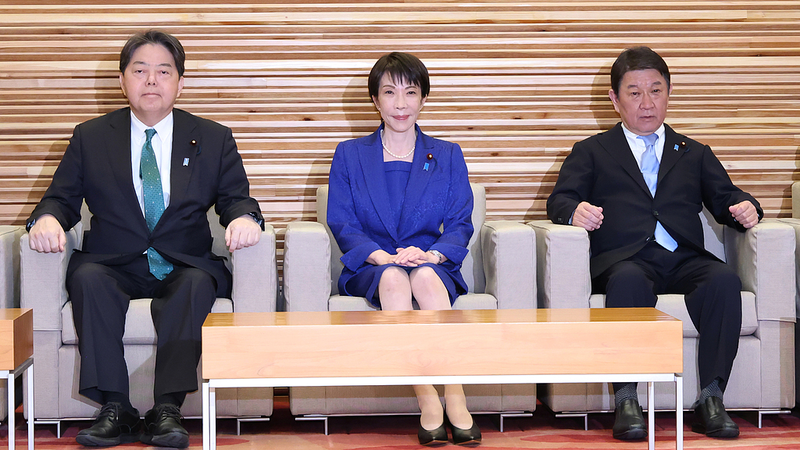
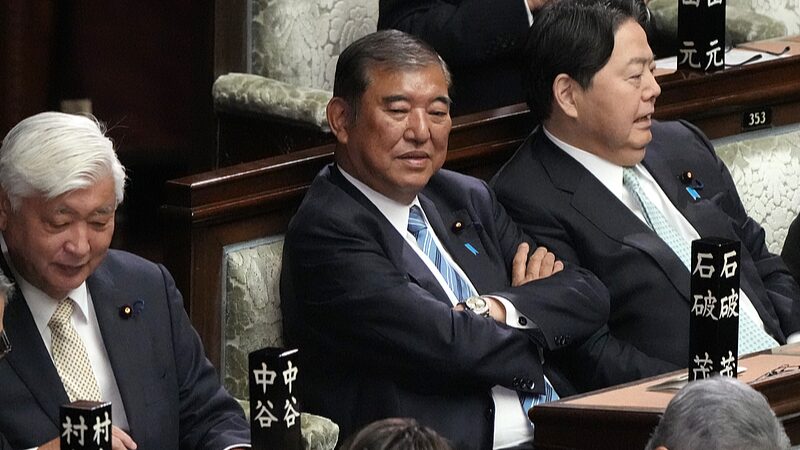
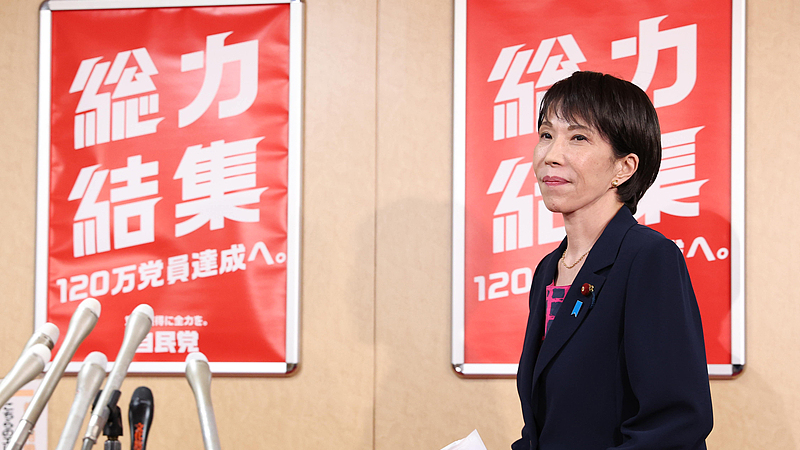
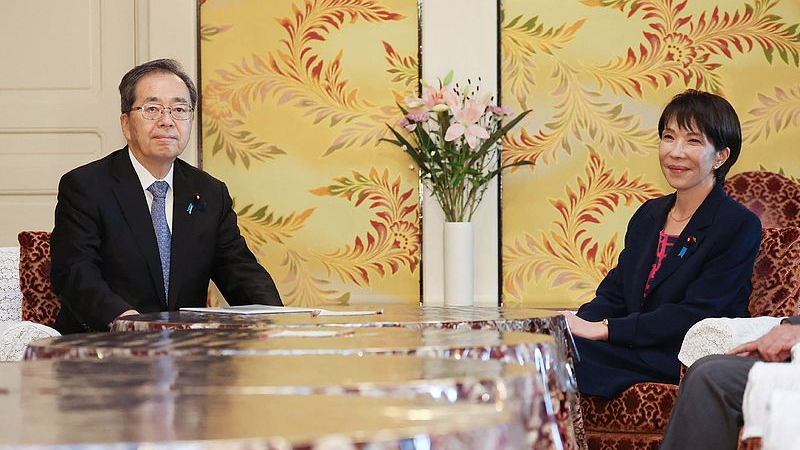
🇯🇵 Japan's political landscape just got a major shakeup! Prime Minister Sanae Takaichi dissolved parliament this week, triggering snap elections on February 8 – the fastest campaign turnaround in postwar history. But why now, and can she survive this power play? Let's break it down. 🗳️
The Bold Move Explained
Takaichi claims she needs a stronger mandate to push economic reforms and work smoothly with coalition partner Japan Innovation Party. With her Liberal Democratic Party (LDP) holding only 199 of 465 lower house seats, she's gambling everything: 'I'll resign if we don't win majority,' she declared. 💼
Storm Clouds Ahead
Opposition parties are already mobilizing against what they call a 'self-serving power grab.' Recent polls show 50% of Japanese oppose the snap election, while protesters in Tokyo warn it could delay critical budget approvals amid record inflation. 📉
Complicating matters: Takaichi faces heat over a corporate donation scandal in Nara and last year's foreign policy missteps regarding the Taiwan region that strained China-Japan relations. 🚨
Opposition Unites
Watch out for the new 'Centrist Reform Alliance' between Constitutional Democrats and Komeito! Their #PeopleFirst platform promises cost-of-living relief and yen stabilization – potentially appealing to voters tired of LDP's financial strategies. 🤝
What's Next?
With campaigning starting January 27, analysts say the 16-day sprint favors organized parties. But even if Takaichi wins, experts warn rushed security policy changes could deepen regional tensions. As researcher Meng Mingming notes: 'This gamble risks Japan's political stability regardless of outcome.' ⚖️
One thing's clear: February 8 could redefine Japan's future. Stay tuned! 🔥