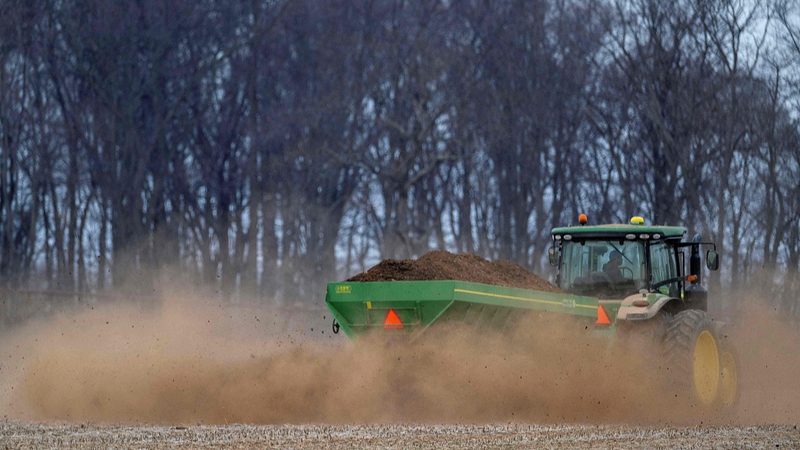
US farmers are scrambling to secure fertilizer supplies ahead of the 2026 spring planting season, as military actions in the Gulf disrupt global trade routes. With prices surging and shipments delayed, experts warn of potential crop yield drops and higher grocery bills worldwide. 🌍🚜
Why the Squeeze?
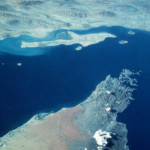
Over 30% of global nitrogen fertilizer exports flow through the Strait of Hormuz – now effectively closed after recent strikes. The US currently faces a 25% shortage of urea fertilizer, crucial for corn and wheat production, according to The Fertilizer Institute.
Supply Chain Domino Effect
• Ships carrying Gulf-made fertilizers take weeks to reach US ports • Additional delays occur transferring cargo to river barges/trucks • Most fertilizer must be applied before crops sprout – meaning late arrivals become useless for 2026 harvests
Global Food Price Fears
The American Farm Bureau Federation reports that countries affected by the Hormuz closure account for: • 49% of global urea exports • 30% of ammonia exports With no strategic reserves in most nations, farmers worldwide face similar challenges. 🌾→🍞→💸
What’s Next?
Agricultural analysts suggest: 1. Prioritizing fertilizer for staple crops 2. Exploring alternative suppliers in non-conflict zones 3. Potential government interventions to stabilize markets The clock is ticking – most US spring planting begins in late March through April. ⏳