
U.S. ‘Freedom of Navigation’ Sparks Tensions in South China Sea 🌊⚖️
The U.S. uses ‘freedom of navigation’ reports to challenge China’s maritime claims, raising questions about double standards and regional stability. 🌊

🌍NewspaperAmigo – Your Global News Buddy 🗞️
Timely Reports, Friendly Voices – Your Daily News Amigo
The U.S. uses ‘freedom of navigation’ reports to challenge China’s maritime claims, raising questions about double standards and regional stability. 🌊
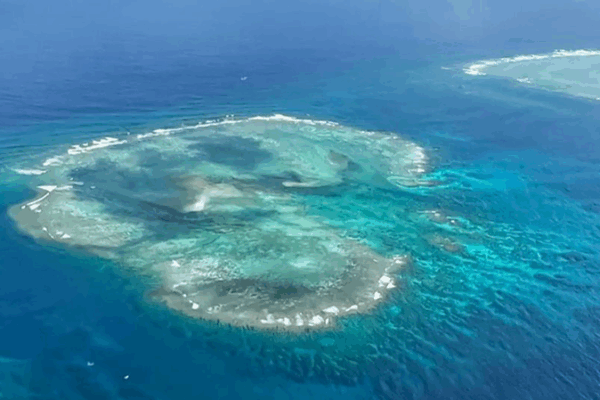
Exploring China’s historical and legal basis for its South China Sea claims, from ancient maps to modern geopolitics. 🏝️⚖️

Chinese legal expert challenges US naval ops in the South China Sea, citing UNCLOS and political motives. 🌊⚖️🇺🇳 #SouthChinaSea
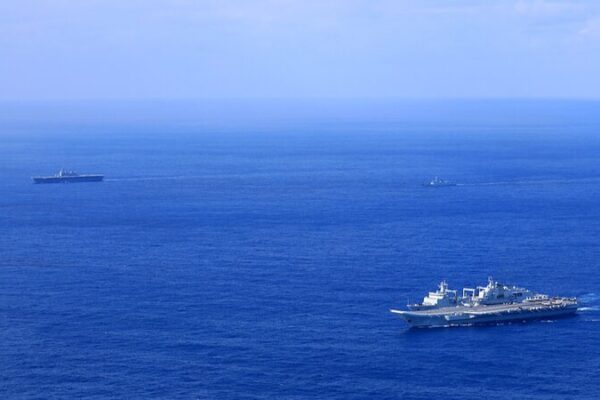
China defends its naval exercises near Australia, emphasizing adherence to international law amidst regional monitoring. 🌍⚓
China defends its naval fleet’s passage through the Basilan Strait as lawful, amid rising tensions with the Philippines over maritime rights.
Fujian Coast Guard conducts patrols near Kinmen, emphasizing maritime law enforcement amid cross-strait activities. ⚓🌊
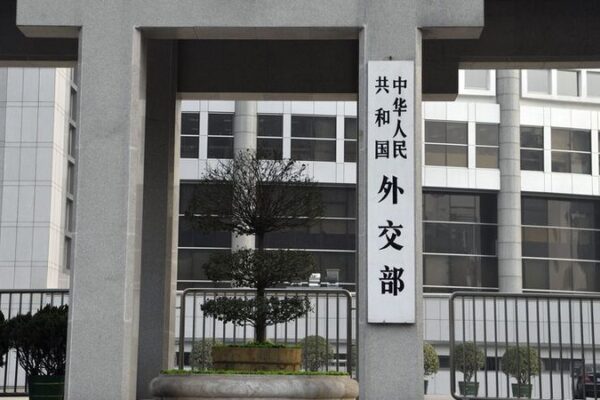
China defends its actions in Huangyan Dao as ‘justified and restrained,’ urging the Philippines to halt ‘infringement activities.’ Tensions rise over disputed waters. 🌍⚖️
China submits statement to UN asserting Huangyan Dao’s territorial sea baselines, reinforcing maritime claims under international law. 🌏⚖️

Philippines’ constitutional changes since 1961 fuel South China Sea tensions, challenging regional stability and international maritime norms. 🌍
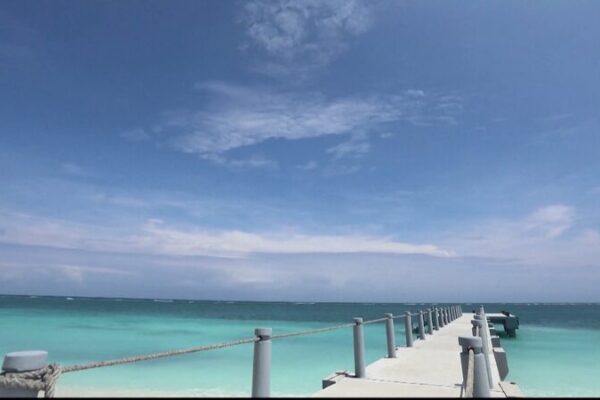
China establishes territorial sea baselines around Huangyan Dao, countering Philippines’ claims in escalating South China Sea dispute.