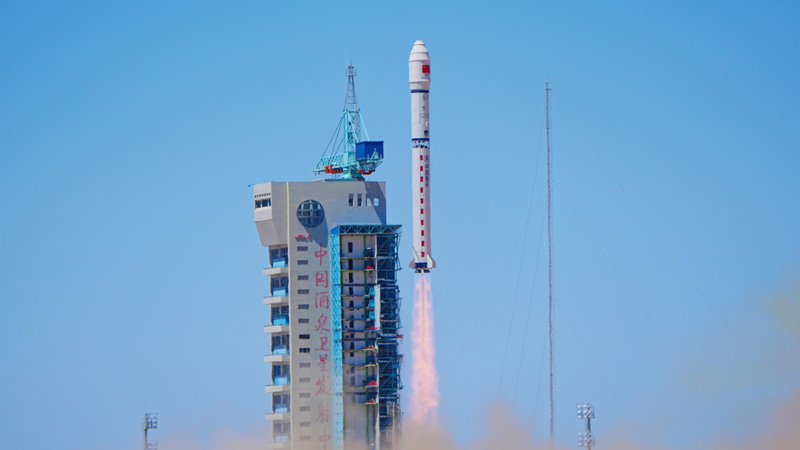
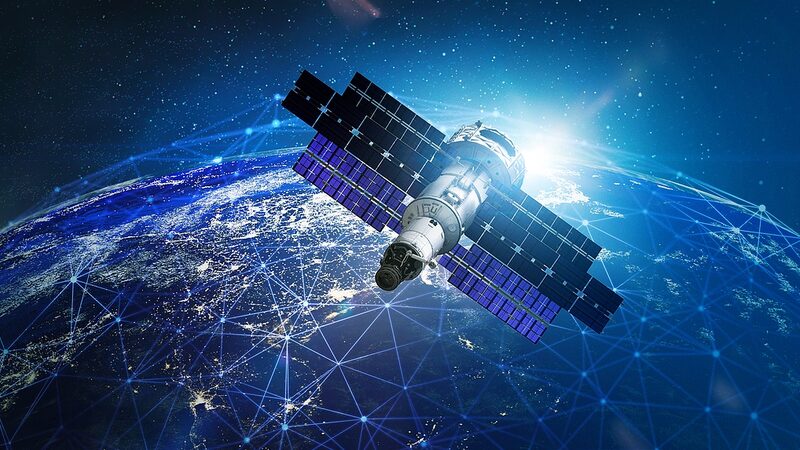
In a move straight out of sci-fi, China’s GuoXing Aerospace Technology has successfully deployed Alibaba’s Qwen3 AI model on its orbiting satellites, marking the first-ever use of a general-purpose AI in space-based computing. The Chengdu-based startup announced the breakthrough this week, revealing that their satellites can now process complex reasoning tasks entirely in orbit—no Earth-bound servers required!
🌌 How It Works
During trials, questions were beamed up to the satellites, processed onboard using Qwen3, and answers zipped back to Earth—all within two minutes. This leap comes after the company launched its initial 12-satellite cluster in May 2025. Now, they’re aiming even higher: a 2,800-satellite network by 2035, promising enough computing power to handle everything from climate modeling to real-time language translation.
💡 Why It Matters
As AI’s hunger for computing power grows, space-based systems could become the next frontier. GuoXing isn’t alone—SpaceX’s Starcloud-1 satellite with Nvidia GPUs entered orbit last November. But with plans to deploy 1,000 satellites by 2030, China’s startup is betting big on laser-linked constellations that could deliver mind-blowing 100,000 petaflops of processing power. Imagine your smartphone… but floating 500 km above Earth! 🌍✨