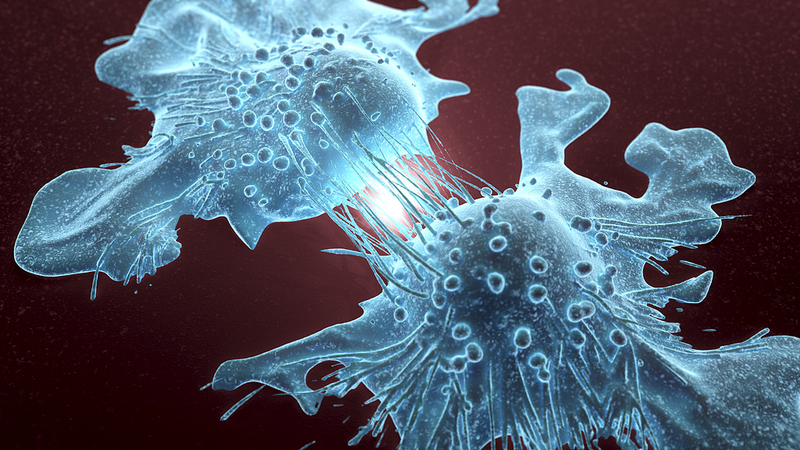
In a game-changing discovery that sounds straight out of a sci-fi flick 🚀, researchers at South Korea’s KAIST have identified a 'molecular switch' that could reverse cancer cells instead of destroying them. The findings, announced this week, could revolutionize how we approach cancer treatment in the 2020s and beyond.
The 'Boiling Point' of Cancer Cells
Led by Professor Kwang-Hyun Cho, the team studied a phenomenon called critical transition—think water turning to steam at 100°C 🔥→💨. Similarly, cells undergo a dramatic shift when becoming cancerous. By analyzing this tipping point, KAIST pinpointed a genetic-network switch that can rewind cancer cells to a normal state.
Colon Cancer Success Story
In lab tests on colon cancer cells, the team proved their tech works like a biological 'undo button' ⏪. Using AI-driven models and single-cell RNA data, they systematically identified key molecules to reverse cancerous transformations. The method could soon expand to other cancers, offering hope for gentler, more precise therapies.
Why This Matters in 2026
Traditional treatments like chemo blast cancer cells—and healthy ones—into oblivion 💣. KAIST’s approach instead reprograms rogue cells, aligning with global trends toward personalized medicine. As Professor Cho puts it: 'We’re not just fighting cancer—we’re negotiating peace terms.' 🕊️
With clinical trials likely in the coming years, this breakthrough could redefine oncology for Gen Z and beyond. Stay tuned! 👩🔬👨🔬